Sunday is gloomy in Eisenhüttenstadt

This atypical Sunday getaway was a topic of recurring talks with a friend of mine. We both stumbled upon the topic of going to Eisenhüttenstadt partly by accident, partly knowing it from the GDR era, and we both developed unhealthy fascination about this decaying place.

It is probably one of the saddest places in the world. Even in the springtime sun, it looked hazy, depressing and we were one of the very few wandering souls around the town. Other were some people eating ice-cream coloured blue (true story, not a literary fiction at all).

The history of Eisenhüttenstadt is closely linked with the rise of central planning during the GDR, and this is when the crazily concrete urban planning took place, as a socialist model city. Here is a documentary about this Steel Town:

Between 1989-2015 the population dropped by almost 40% and it felt like a place with not a single body (let alone soul). The centre of Eisenhüttenstadt is like the living museum of GDR era itself, and the industrial park offers some breathtaking views of the factory decay.


It took us 90 minutes to get there by train via Frankfurt (Oder), which is much more picturesque in the classical meaning of it, however, if you look closely, you will spot children playing around the Soviet-times monument as well as a few abandoned buildings from the same epoque.

I would recommend this Ausflüge to… no one? Unless you like abandoned places, contemplating over the history and urban architecture. I actually do. There are more ghost towns like this in the former GDR area, and it only makes me wonder, will these places reinvent themselves? As I am a sucker for the living museums of industrial revolution, I think humanity can learn from places like Eisenhüttenstadt for the cathartic purposes, and hopefully: the better future.

Dislaimer: after having published this entry I got a lot of criticism from people who live in and love Eisenhüttenstadt. I didn’t mean to offend you, or your town, not discredit it. I only wrote an opinion on central planning and absurds of history that made a big impact on the development on this city. Big part of my writing is ironical and not-to-be-taken too seriously, as I write about my impressions only. I went to Eisenhüttenstadt as I am fascinated by history, brutalist architecture and industrial landscapes, however, I would argue you can call this town ‘beautiful’ by classical standards. I respect and embrace the people who can see the beauty through the abandoned, concrete and industrial landscapes. Once again: I do, and I will come back to Eisenhüttenstadt with more visitors, for sure.
Beyond 79° latitude: Pyramiden

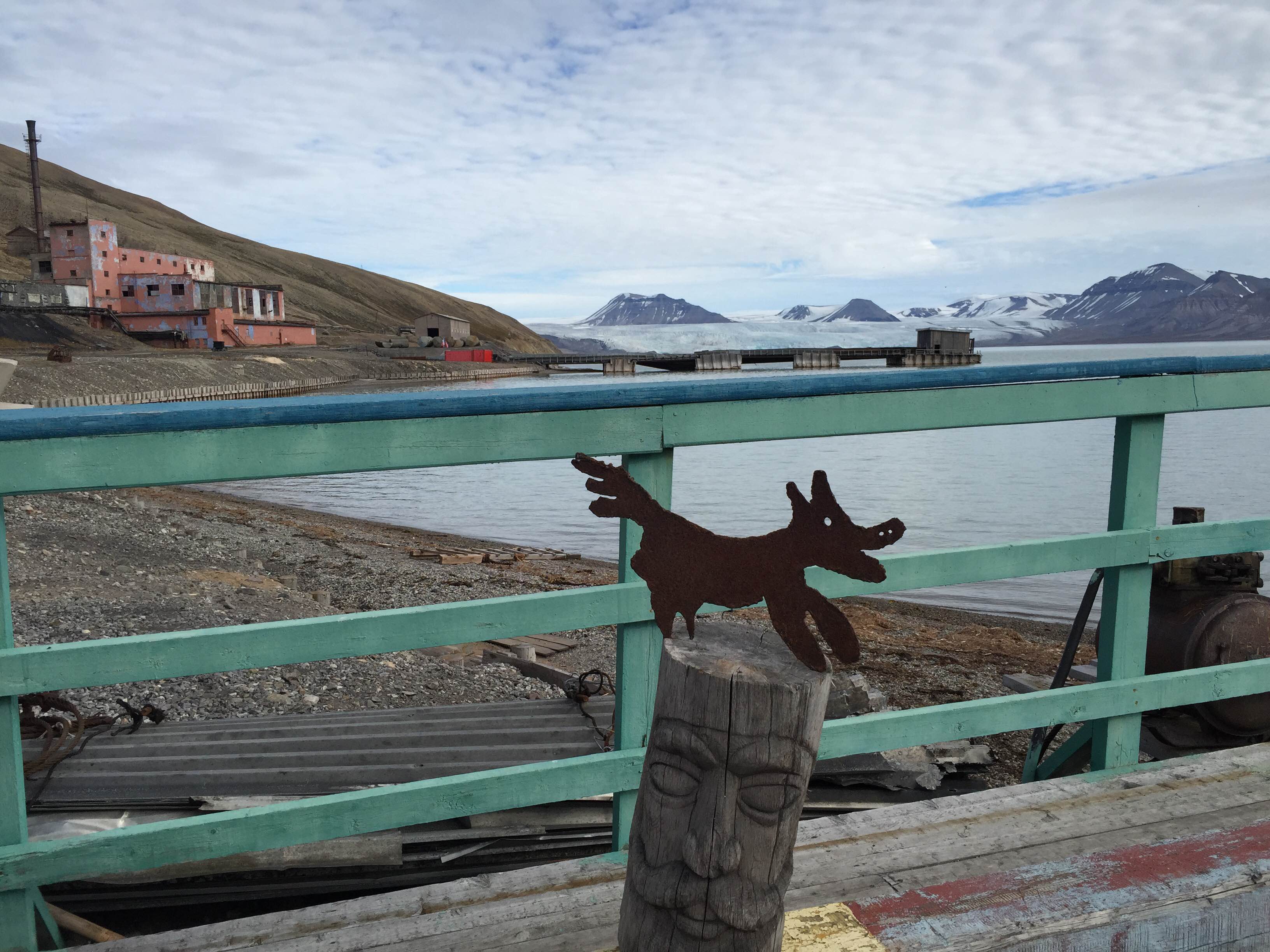
Pyramiden or Piramida (Пирамида in Russian) was one of the most beautiful abandoned places I’ve visited while exploring the Arctic Island of Svalbard. To get there you need to sail for a few hours from Longyearbyen, the administrative capital and the most populous town on Spitzbergen, the biggest island of the Svalbard archipelago.

IMG_2918 IMG_2914

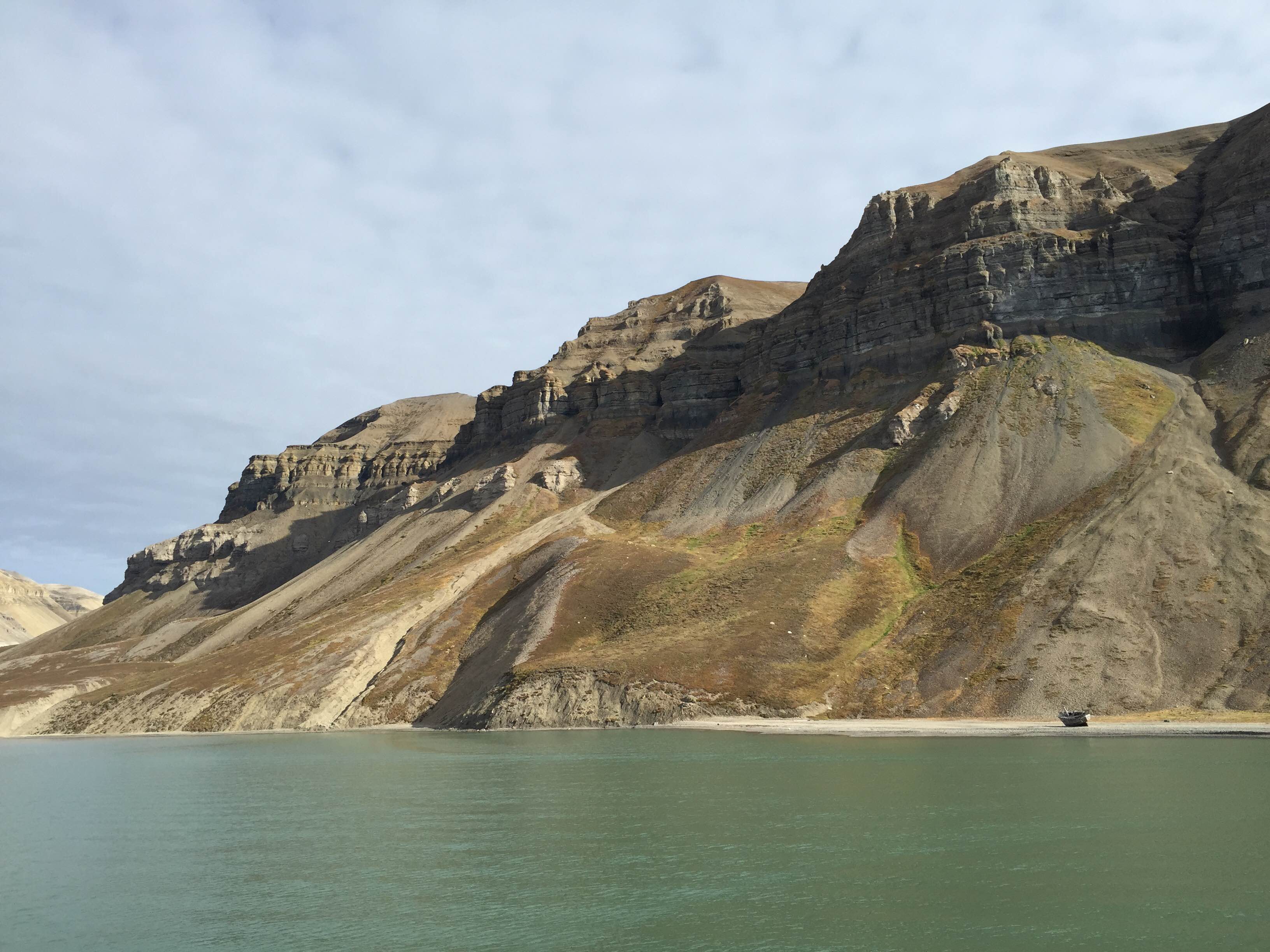
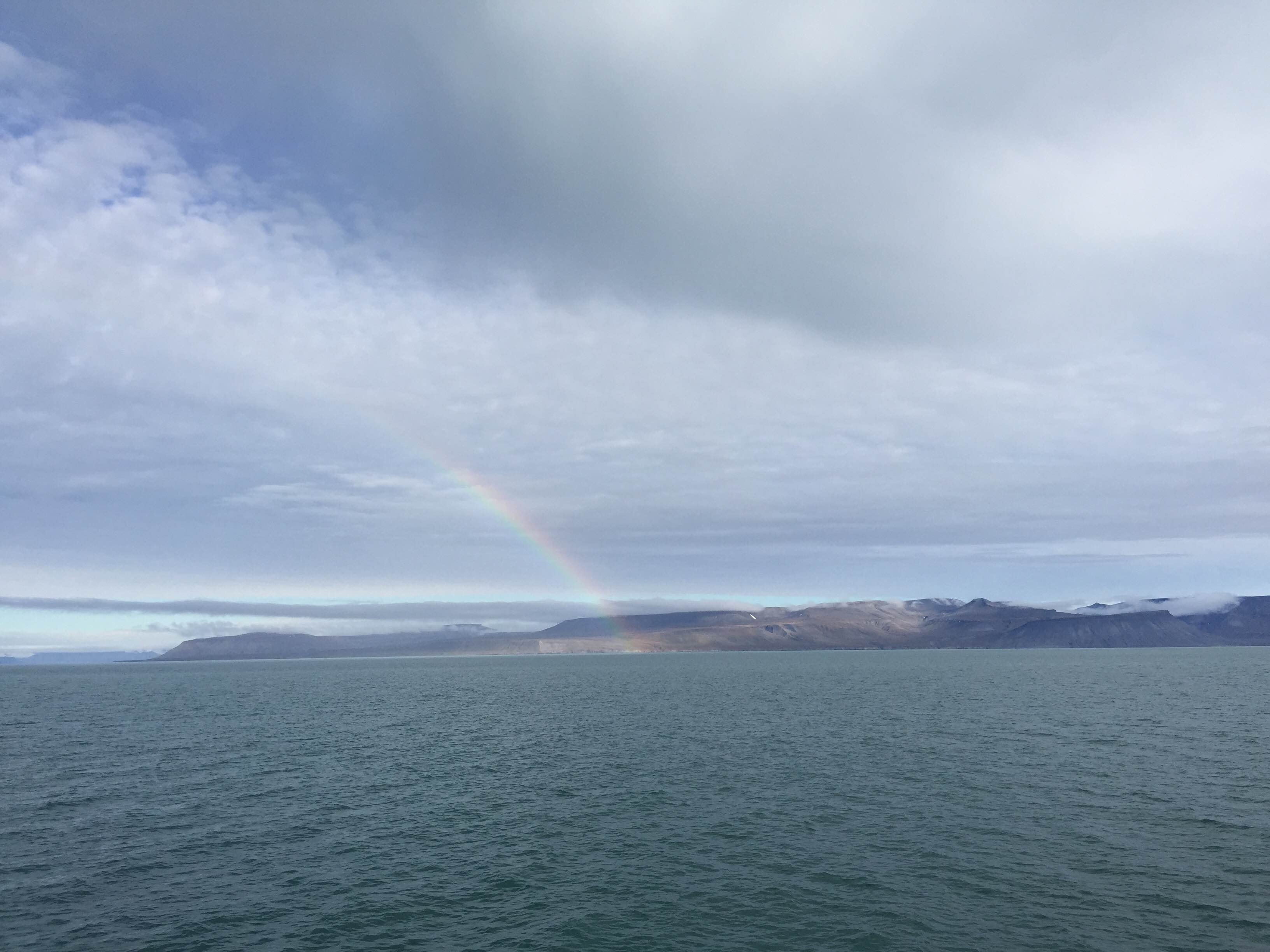
Sailing up to 79th latitude offers spectacular views, such as Arctic skyline, fiords and mountain ranges.

IMG_2953 IMG_2996

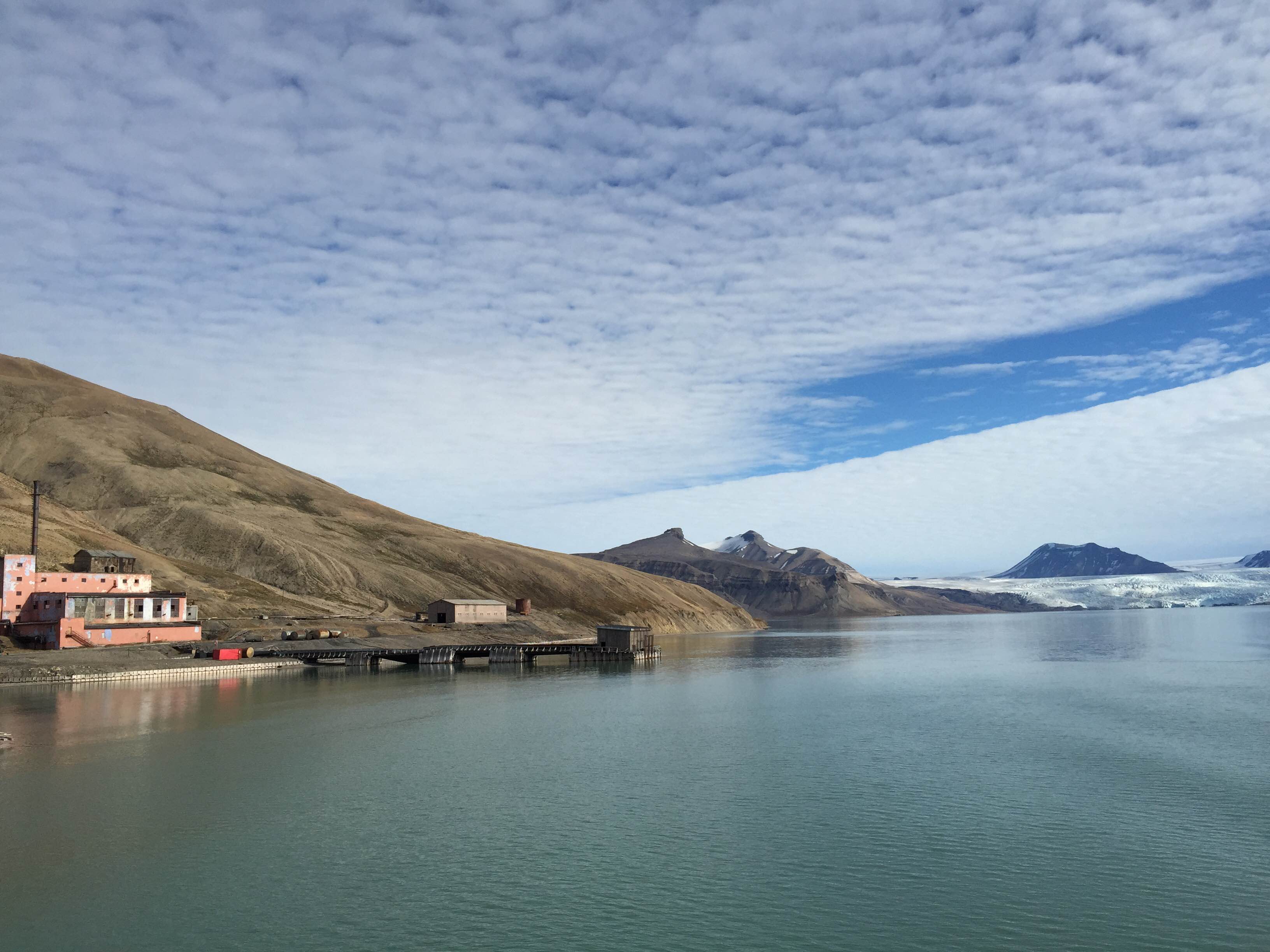
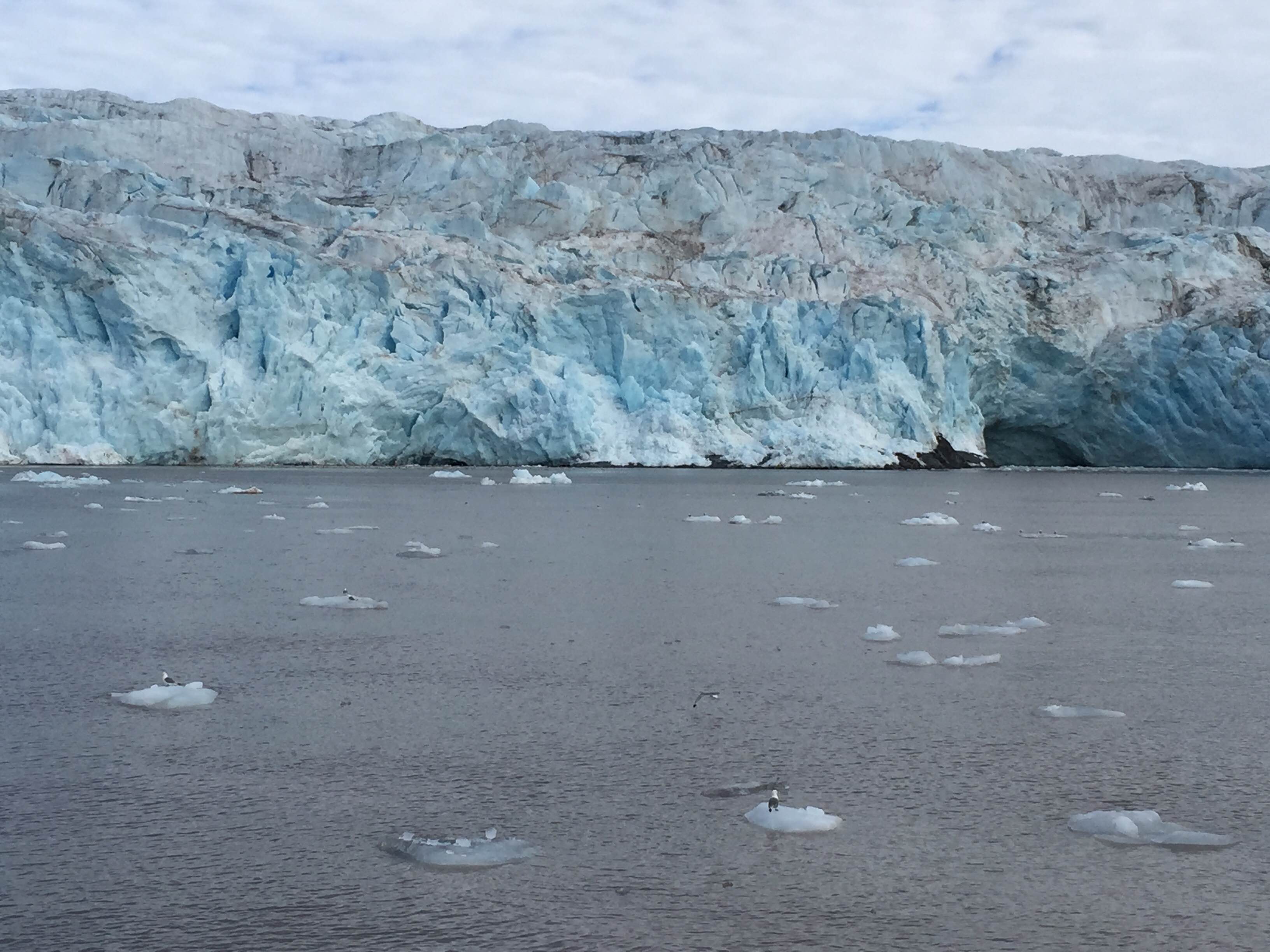
Neighbouring with Pyramiden is the Nordenskiöld glacier, and its majesty can be seen from all over the town.

IMG_3016 IMG_3017

Back in a day, Pyramiden was a soviet mining settlement which was inhabited by roughly 2000 people. After 1997, when the bancrupcy of the coal company led to evacuating the entire population, it became a ghost town. For many years no foot was set there, and currently there are only a few people living in Pyramiden, taking care of the remnant buildings in the town.

IMG_3012 IMG_3077

There is no mobile, nor Internet connection, but yes, indeed, there are polar bears in the settlement. I have not met any, but heard from the guide that there was one approaching, so he had to walk vigilant with his riffle loaded.

IMG_3020 IMG_3025

Pyramiden is very green in the Arctic summer. Even the grass greener on the Pyramiden side! Wait: grass in Arctic? Well, not naturally. In the past, Soviets tried to bring as much normality to this Artctic town, as possible. Importing food and grocery was very expensive, so they brought fertile soil from Crimea region and tried to grow veggies at the 79° latitude. As we can see years after, the experiment was not entirely absurd.

IMG_3040 IMG_3094

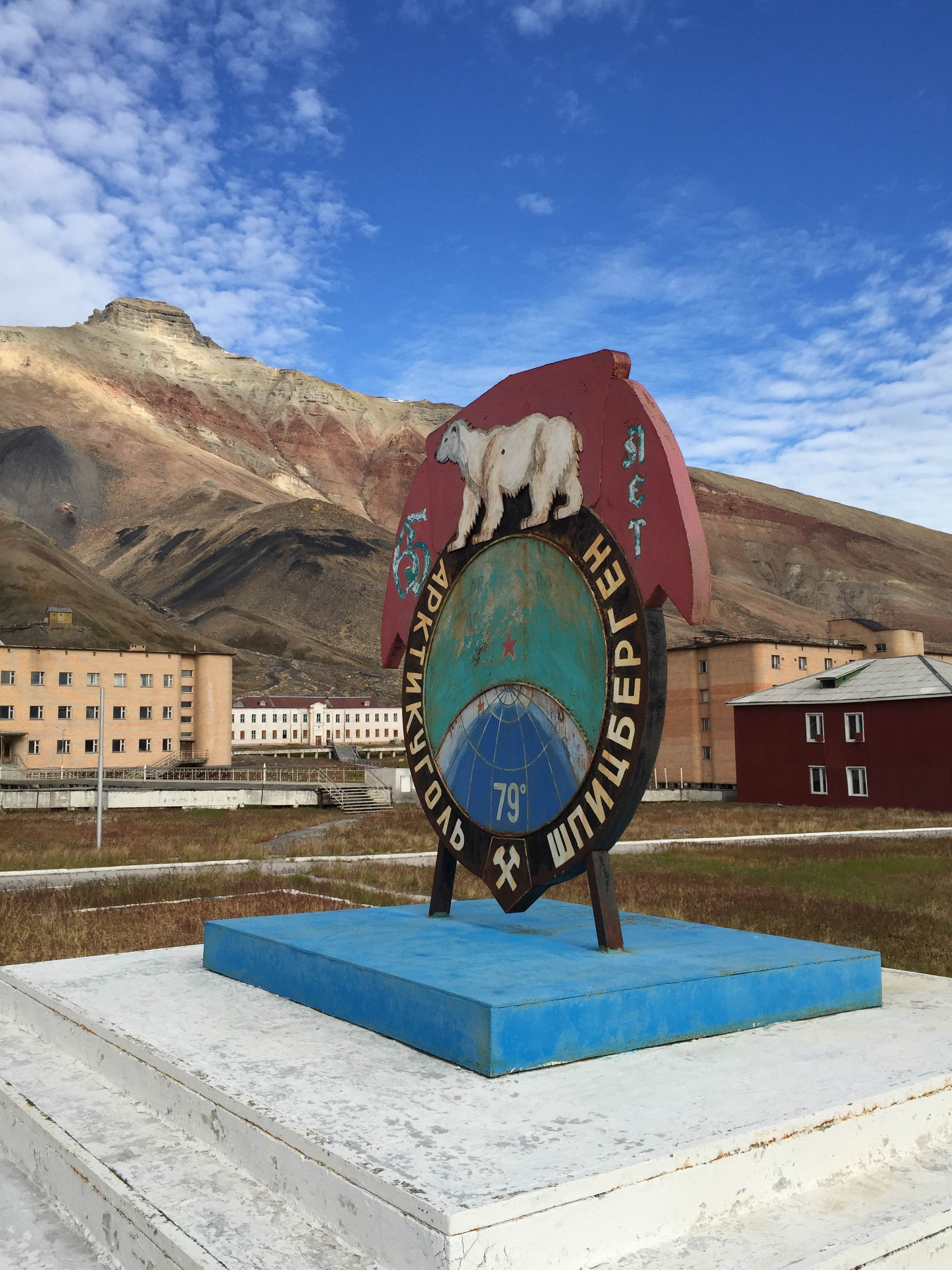
And Lenin is still there, watching the magnificent glacier and brutalist architecture. Once hosting workers’ families and offering all sort of facilities: gym, school and kindergarten, now Pyramiden’s blocks are home to countless Arctic birds.

IMG_3092 IMG_3109

Sasha, the legendary guide and one of the few long-term inhabitants of Pyramiden. And tulips, which may still remember some wild parties on the International Women’s Day…

IMG_3059 IMG_3090

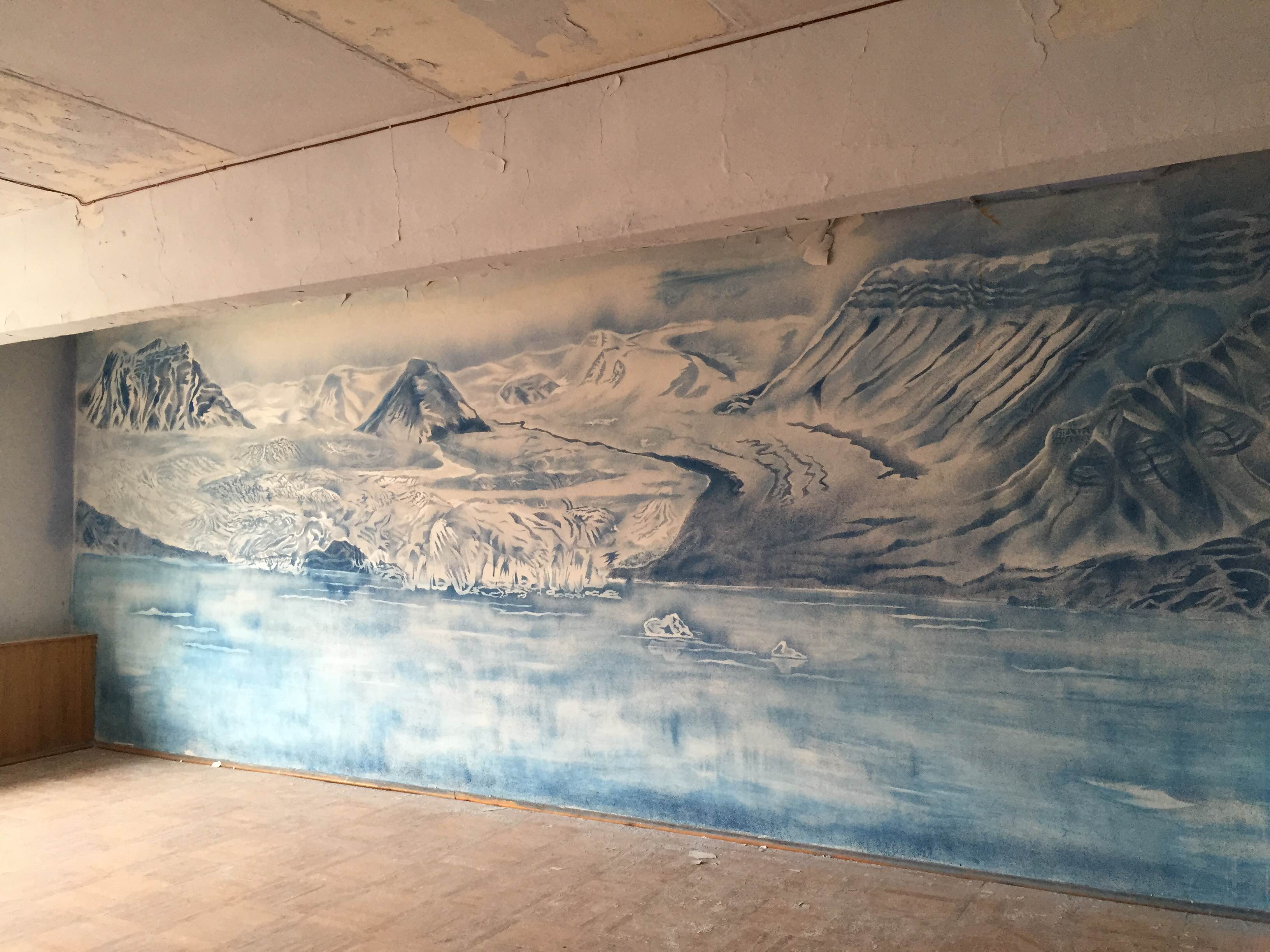
If you are visiting Pyramiden with Sasha or Pavel (the other guide who joined the town this year), you will be able to enter to cantine or culture house where the facilities and art was left untouched since the last inhabitants left.

IMG_3070 IMG_3066

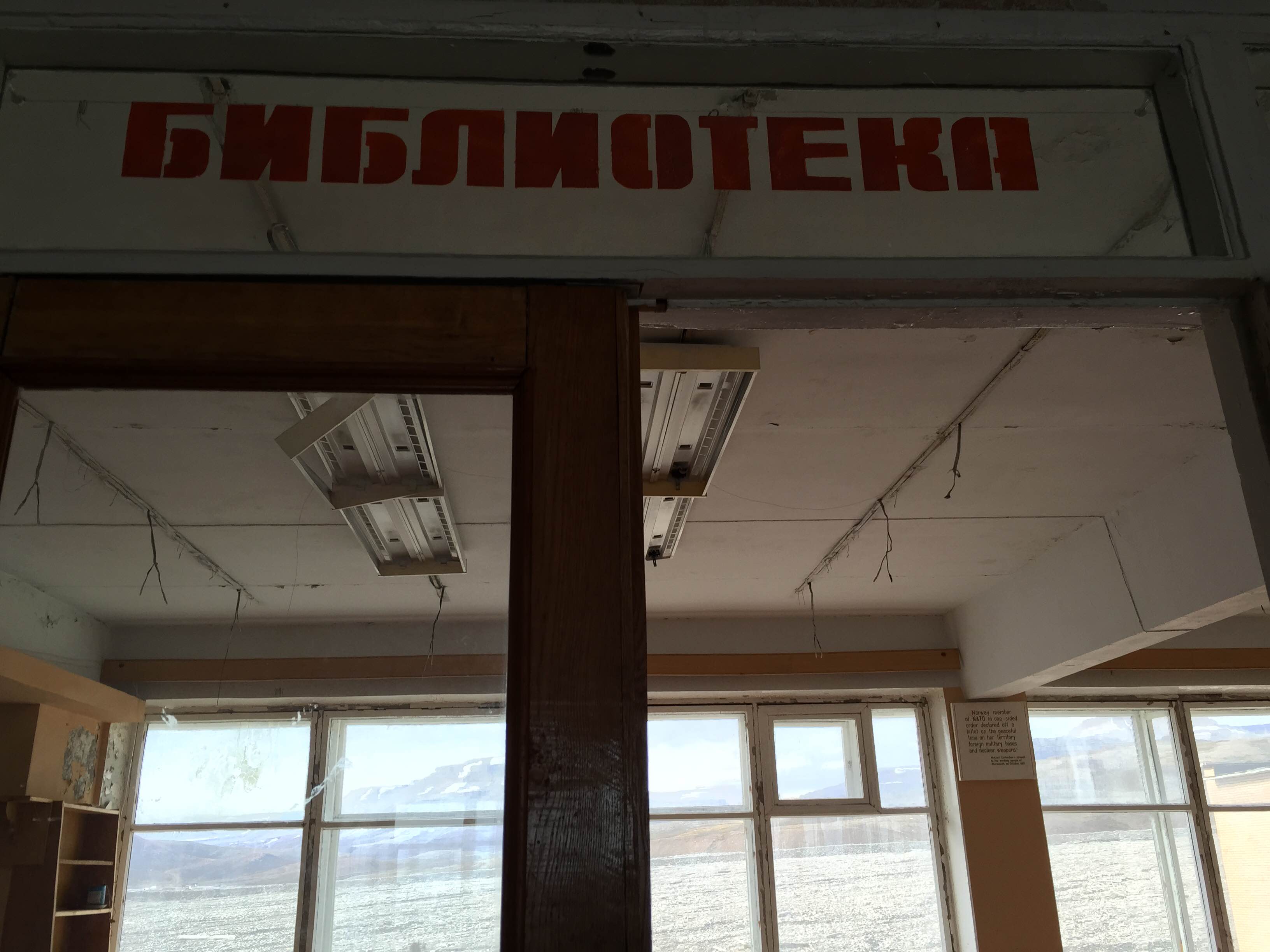
You can even play football, contemplate in the library…

IMG_3072 IMG_3075

…or play balalajka and read through some important posters from the 70s & 80s.

IMG_3101 IMG_3108

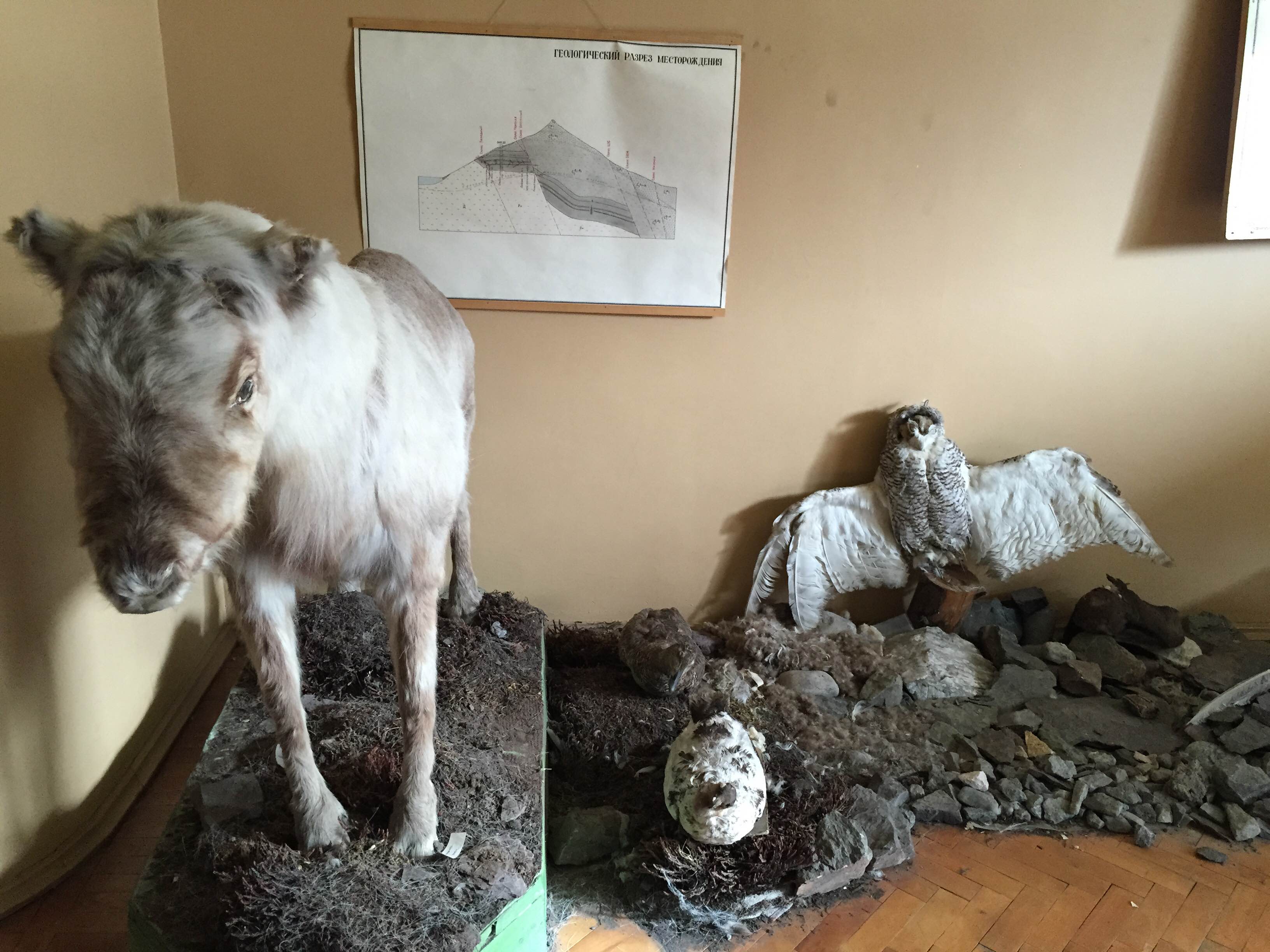
There is also a small museum presenting emblematic animal life of Svalbard. Unfortunately, many animals were torn apart by a polar bear who sneaked into the museum once in search of food, or companions.

IMG_3112 IMG_3117

I wish I could stay longer in this magic place. After a few hours, I had to return to Longyearbyen with the MS Polargirl ship. On the way back I passed along the glacier, observing seagulls, fulmars and Pyramiden in the sunshine. Cause in early August sun never sets on Svalbard.

IMG_3134 IMG_3151