Auseklis of Latvia 

Auseklis in Latvian means ‘The morning star’ and symbolizes protection from dark and evil. As somewhat my long weekend getaway coincided with the season change in Latvia: from long winter to springtime awakening, I feel that this could be a could symbols for the changes that were going on not only in nature, but also in my life.

For some reason, even while I visited both Lithuania and Estonia years ago, Latvia was always a pending country in Europe to see. What accelerated my visit were a few spare days in April I could use up for holidays and having two of my friends living there and posting beautiful Instagram pictures of Riga, Baltic coast and Sigulda, even in the gloomy wintertime.

I stayed in the hipster part of Riga (where else I could end up, ha ha) nearby Miera Street, full of original cafes, craft beer bars, theatres and streetart. And Laima – the chocolate factory, which tested really good!

I obviously checked the must-see boxes in the beautiful Riga’s Old Town learning about Latvia’s rich yet turbulent history, including visiting the Jewish Ghetto. I was equally enchanted by the Art Nouveau district, and post-industrial parts of the city, as much as the parks.

I didn’t go out at night beyond the Miera Street – my friends warned me that most likely for clubbing in Riga, I’d need to dress up in high heels. Berlin all-black-everything-I-don’t-give-a-damn style still didn’t get in here.

Instead, I chose an early morning escape to Sigulda, Krimulda and Turaida. 1 hour train ride from Riga you can find yourself in the beautiful Gauja National Park which is a paradise for hiking. Local tourist information offers a lot of advice regarding the most interesting paths. I opted for the 25 km one which was ambitious but extremely pleasant, including visiting the castle in Turaida, Park of Walking Sticks in Sigulda (?!), Sculpture Park of Krisjan Baron (Latvian natural art representative), as well as some bird-watching reserve. And since it was a very early springtime one could witness the sheer awakening of all the species!

On the third day I visited Jurmala, a seaside resort town and hosting of one of the most beautiful beaches. All in all, I was extremely happy to have discovered Latvia, and I would like to thank my friends for the extensive list of tips prior to visiting it.

And today I’m even more happy since one of them is re-visiting me in Berlin!


Poznaj Poznań!

“Poznaj” means “meet” in Polish language. Poznań is my home city in Poland and the idea of writing this post came due to numberless queries from my international friends visiting this beautiful place to gather some of my tips in one place. Quite a challenge, as it is difficult to pick some basic facts, or personal faves I gathered during 20 years I lived there and squeeze into one post.  I will try to focus and see Poznań as a tourist, which I lately turn whenever I come back for a weekend.

Yes, it’s a perfect weekend getaway city: very vibrant, full of bars and restaurants as well as some interesting history to discover. Berlin is the closest biggest city nearby (well, Szczecin is not far away either) and it takes less than 3 hours to travel there by direct train, bus, car – or for more extreme ones: about 23 hours by bike. There are often discounts to get to Poznań: if you buy your ticket in advance (at least 3 days before your trip), you will be able to travel for 19 EUR on the Berlin-Warszawa-Express train. Ecological and fun: you will be able to see Greater Poland’s landscapes, with its pecularities such as the tallest Christ the King sculpture in the world in Świebodzin.

At a first glance, it shares some similarities with Berlin, due to the obvious proximity and the influence of over 100 years of Prussian occupation before Poland re-gaining independence in 1918. Nowadays this can be reflected the most by some monuments (like the Imperial Castle of Wilhelm II), the urbanistic planning of certain neighbourhoods and… the spoken language. Poznań’s dialect consists of many German-originated words. The closeness of Berlin has influenced also more recently the clubbing culture in the 90s and early 2000s bringing legendary Tresor club residents to regular gigs. Poznań is often referred as the most LGBT-friendly and nightlife-loving city in Poland. However, this may seem exaggerated, since Poland is unfortunately quite prone to conservative backlash.

Poznań is also an incredibly green city – parks like Citadel (with exceptional WWII exhibition and Magdalena Abakanowicz sculptures), Sołacz and lakes like Malta, Kiekrz or Strzeszynek are popular spots regardless of the season (there are also some aficionados of the winter swimming, believe me!). Lately, during summer you cannot miss city beaches opening, apart from the well-known KontenerART, there are Brzeg Wschodni and The City Beach “Na Szelągu”.

Some basic facts? It’s not as obvious tourist destination in Poland as Warsaw or Cracow, but it is where the first bishophric of Poland was established in 10th century, so for history-loving people a visit in the Ostrów Tumski near (nowadays) very hip Śródka neighbourhood is a must. Poznań boasts itself with a picturesque Old Town Square and very lively streets around the city centre. Fortunately for the development of some other parts of the city, I see the trend of decentering the location of interesting spots to other neighbourhoods as well, so if you have a chance, wander around Jeżyce (and its murals!), Grunwald, Winogrady or Wilda. There is plenty of new restaurants and bars everywhere, as well as local community initiatives.

Speaking about events, throughout the year there are various opportunities to visit Poznań and face interesting things happening, such as: Malta Festival, Dancing Poznań, Ethno Port, Short Waves, Enter Jazz Festival and Spring Break  Showcase Festival & Conference.

OK… Mission: tourist in my own city accomplished. If you wanna know more about my city and more private notes, simply let me know!
Treasures of Thessaloniki

It’s June and the spirit of summer is definitely out there, everywhere, while some of you might be planning some shorter or longer excursions. Well, that’s not my case at all, since I’ve just started a new job and my mindset is almost fully focused on it. Since I will stay in Berlin for most of the summertime, I will only share my travel ideas or past experiences looking at my writing backlog and most importantly: sharing my pictures from the last couple of months.

This is why I would like to re-inaugurate a subsection of the Berlinering blog – within ‘Beyond Berliner Ring‘. I love travelling and Berliners do too, no matter how much they love their city. Convenient location within maximum 3 hours of flight from all the tips of the European continent, with 2 airports (and another infamous one being a special case of Berliner ‘Sagrada Familia’ construction type opening erm… soon) and similarly convenient trains, bus, motorways or even bikelanes (will be soon testing out the one connecting Polish border and the one leading to Copenhagen at some point, too!).

So put Thessaloniki first, as it was my Easter 2016 destination, which turned out to be discovering fantastic food, chic neighbourhoods and breathing the history at every corner.

I planned it equally active, so knowing that the city is great for long walks and hiking around its hills. I wasn’t disappointed and was pretty lucky with weather (since it can be still pretty rainy and cold around end of March/beginning of April).

The flights conveniently covered the period of all the Easter days, and in the city with so many interesting Orthodox Churches it was definitely interesting to see how is it celebrated, even for not particularly religious person like I am.

Generally pleasant weather accompanied me during the daily sightseeing – from the magnificent promenade to the Ano Poli and Ag. Pavlos hills, but I was also surprised how vibrant the city was night and day.

Located nearby the port, the best neighbourhood to taste local food is Ladadika, where I was going out to try delicious and original dishes for pretty affordable prices everyday.

Last but not least, the city didn’t feel too touristy (at least not at this point of the year), there were a lot of families and locals hanging around. The only one thing I regret is not having done the excursions to Chalkidiki and Meteora sanctuary which are still on my list and should definitely be for those visiting Thessaloniki. Καλησπέρα!

Sound Sculpture in Szczecin

Last month for me was exceptionally full of events in Berlin during the work week, and shorter or longer getaways during the weekends. Similarly like last year around springtime, I felt tempted to explore not only Berlin and Brandenburg, but also the coastline.

Triggered by the concert of one of my favourite Polish electronic music producers in the newly built Philharmonic Hall in Szczecin, together with my friend, we decided to spend a weekend in Szczecin, the biggest Polish city situated next to the North-Eastern frontier.

Typically people would go there on the way to some other locations: like for instance Polish seaside towns or even more popular summer festivals, like Plötzlich am Meer. The train ride to Szczecin would take us less than 2 hours and cost… less than 6 EUR, if you manage to find your ‘Berlin-Brandenburg-Ticket’ group, which is almost a ritual part of this route. Otherwise, if you don’t feel like socializing, you can stick to a special fare, individual ticket for 10 EUR.

Szczecin itself has its specific charm. On one hand, it’s probably one of the most spacious cities in terms of territory: situated by the bay, river and countless lakes, it is indeed huge. Given its difficult, war, post-war and heavily industrialised history, it also seems derelict or unproportionally uncrowded comparing to its size. This has a lot to do with the migrations to other bigger cities or neighbouring Germany. So obviously there are places one shouldn’t visit after the sun goes down.

However, there are some sparkles of creativity in reconstructing the city, and bringing more cultural events. The area surrounding the castle and the promenade is full of interesting street art and the city tries to attract different people by hosting cultural events such as Kontrapunkt, or at least inviting unusual artists like Skalpel for the electronic music showcases in the extraordinary set up in the Philharmonic, which is worth visiting itself.

I enjoyed this visit greatly, given that I was pointed many recommendations by my friends originating from Szczecin and the concert exceeded my expectations.

If you like history, scratching beyond the surface, and discovering the beauty in the atypically interesting architecture, yet you’re bold enough – visiting Szczecin sounds good in combining it with one of its cultural events.


Longyearbyen: where Santa Claus lives in the mine

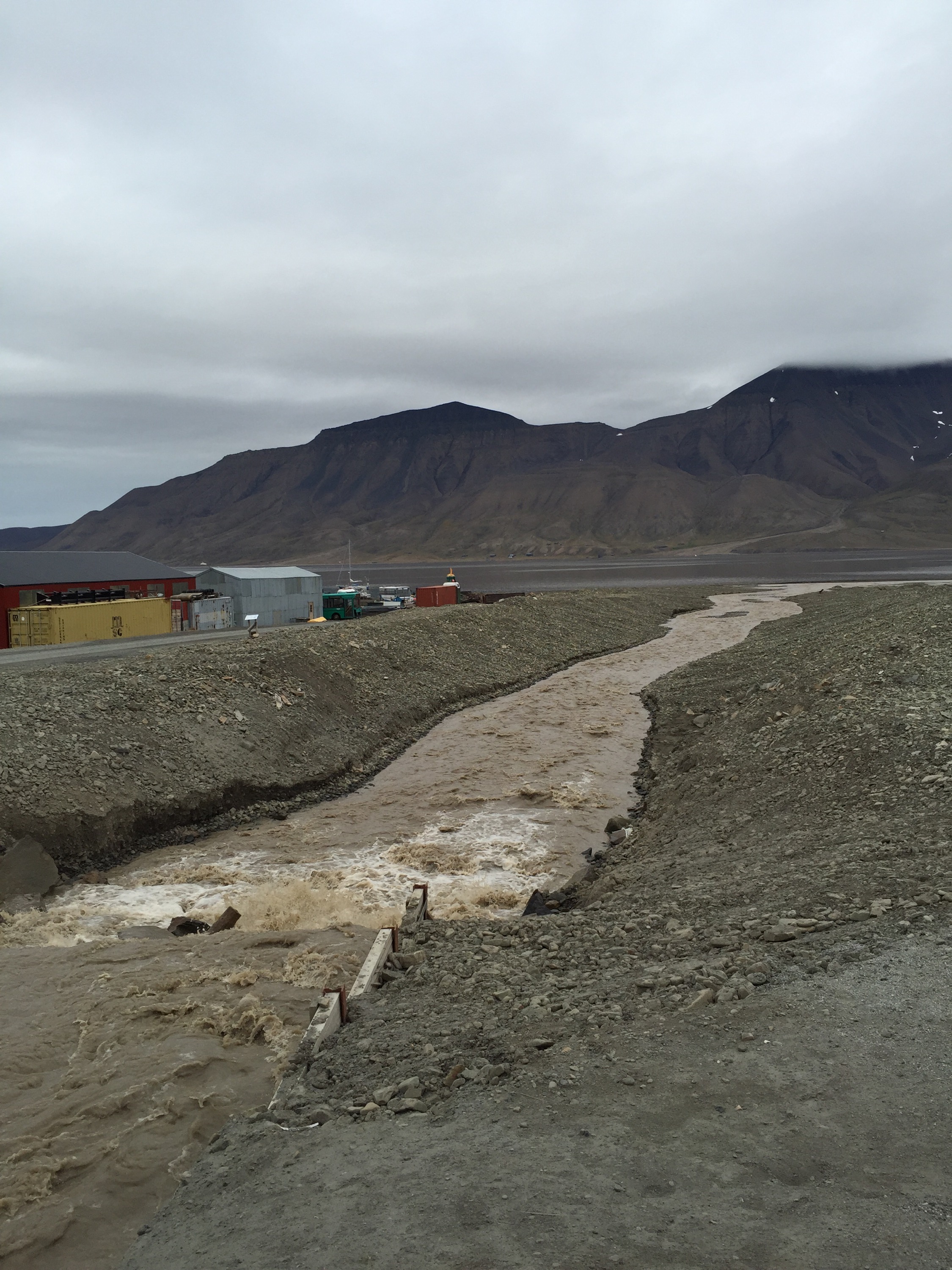
My last but not least entry about the Arctic trip I made in August this year will be about a very special, and the most Northernmost inhabited town in the world: Longyearbyen. Getting this crazily far North is currently easier than expected, with regular flight connections to Oslo, so it took me about 6 hours to travel there from Berlin. To compare: I would need to spend similar amount of time to get to Warsaw

IMG_0356 IMG_0091

Longyearbyen, contrary to other settlements on Svalbard, such as Pyramiden, is pretty ‘busy’ or ‘crowded’ as for the Arctic standards. Apart from the travellers, Longyearbyen is a very multicultural town where over 40 nationalities work in the research centres, at the University and in tourism. It is fairly easy to meet ‘locals’ and listen to their interesting and odd-ball life stories, as one thing is for sure: Longyearbyen attracts strong personalities.

IMG_0435 IMG_0440

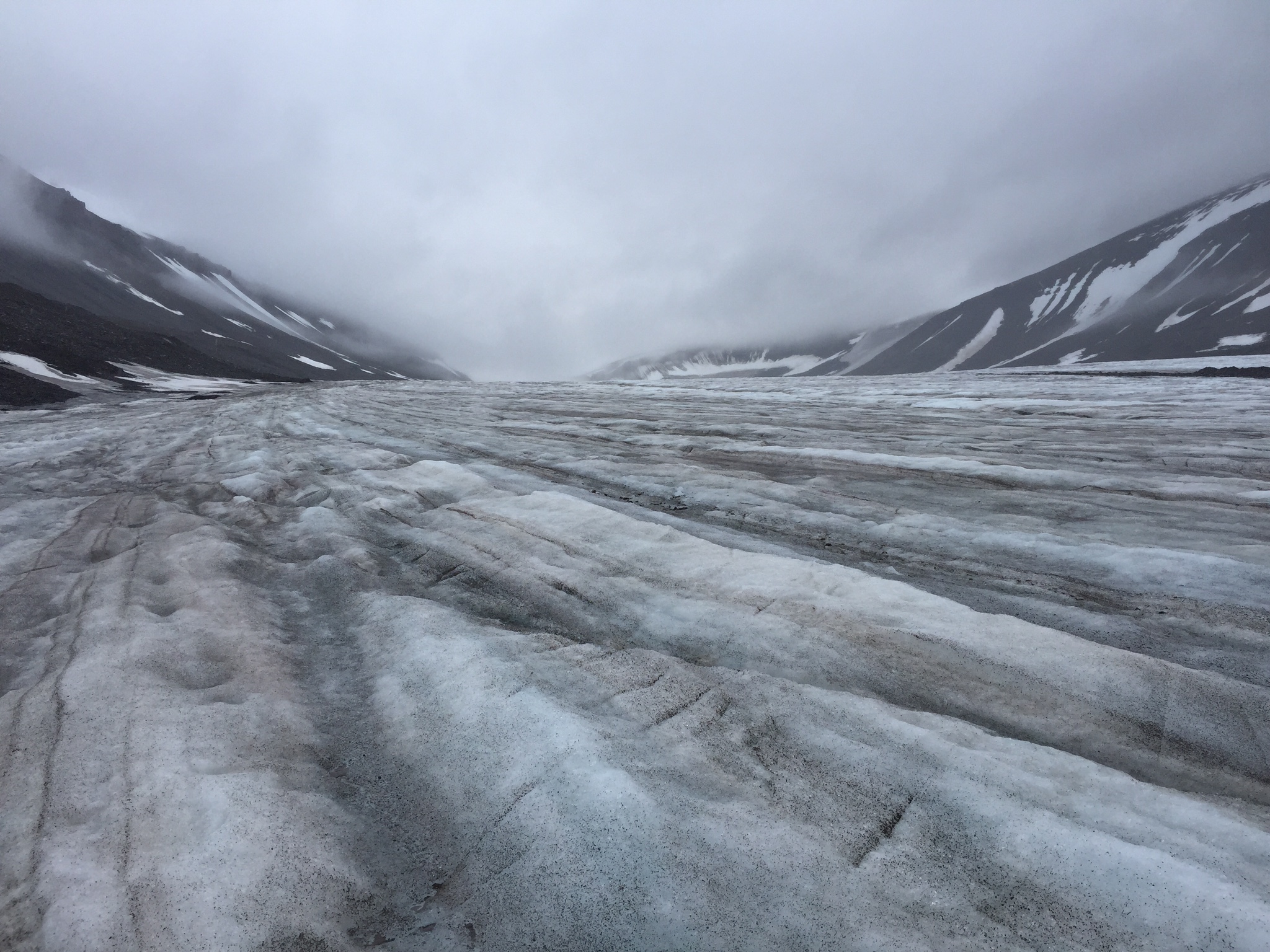
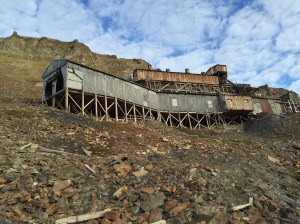
There is one more very special person living in Longyearbyen: Santa Claus! Forget Finland, the real, hardcore Santa lives far more North than Rovaniemi, and according to the locals, has chosen an abandoned mine as his directory. As the photos above are taken during Arctic summer (when sun never sets), it is hard to imagine the Mine 2b (official name) to be Santa Claus’ house. In the wintertime, however, it is decorated with colourful lightbulbs by local enthusiasts. I have to say, Santa needs to be really hardcore, as the mountain ranges on Svalbard are very steep! And slippery, as you can see below, on the Lars’ Glacier, surrounding town.

IMG_0072 IMG_0077

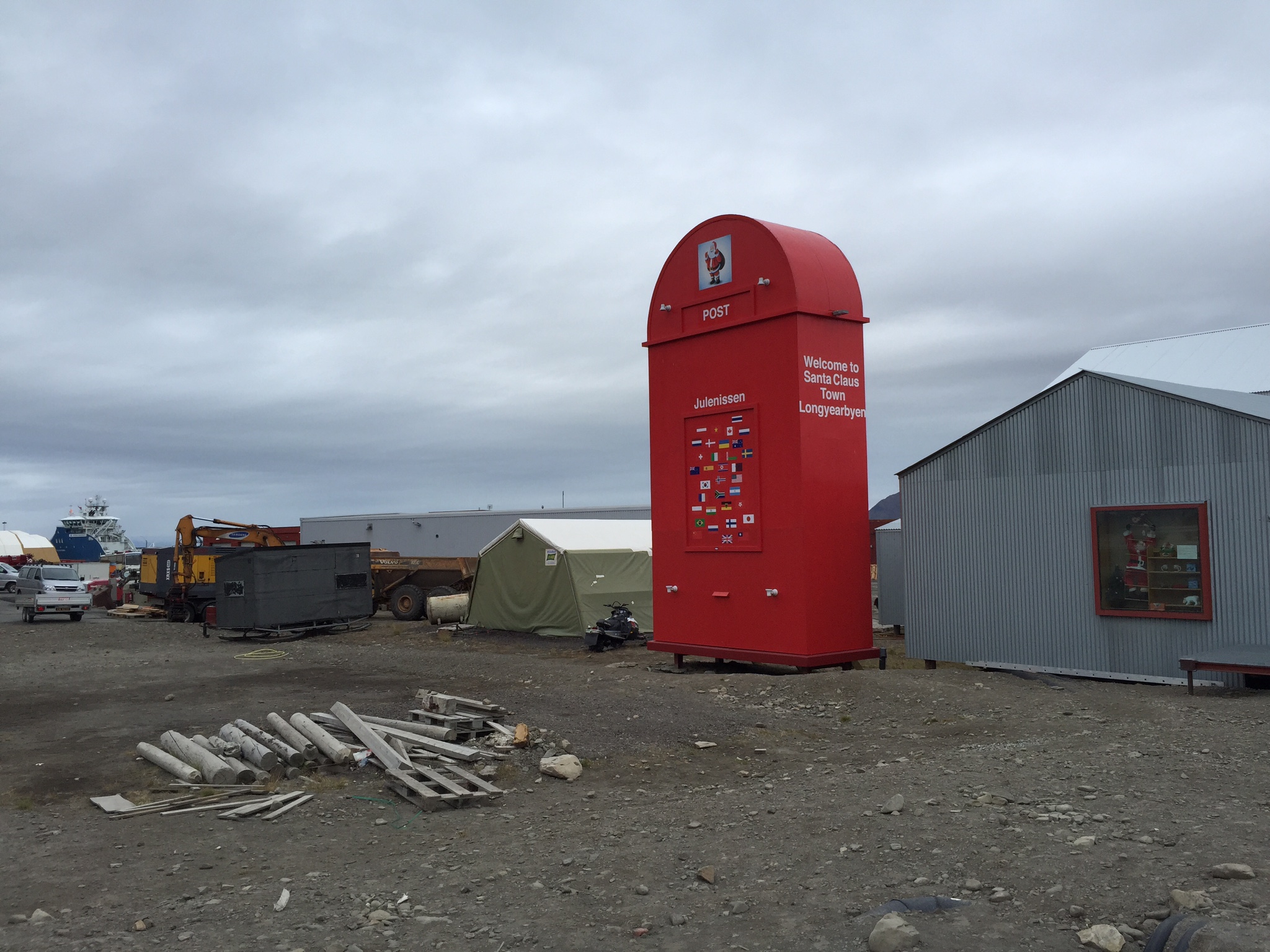
Lazy people built a facility though which enables reaching Santa Claus’ order list with no necessity to climb over 600 mts in the wintertime. Locals are not too happy about it though, thinking the huge red postbox is a bit of an overkill. Why not reaching Santa the same old way in the lovely and romantic Mine 2b?

IMG_0105 IMG_0109

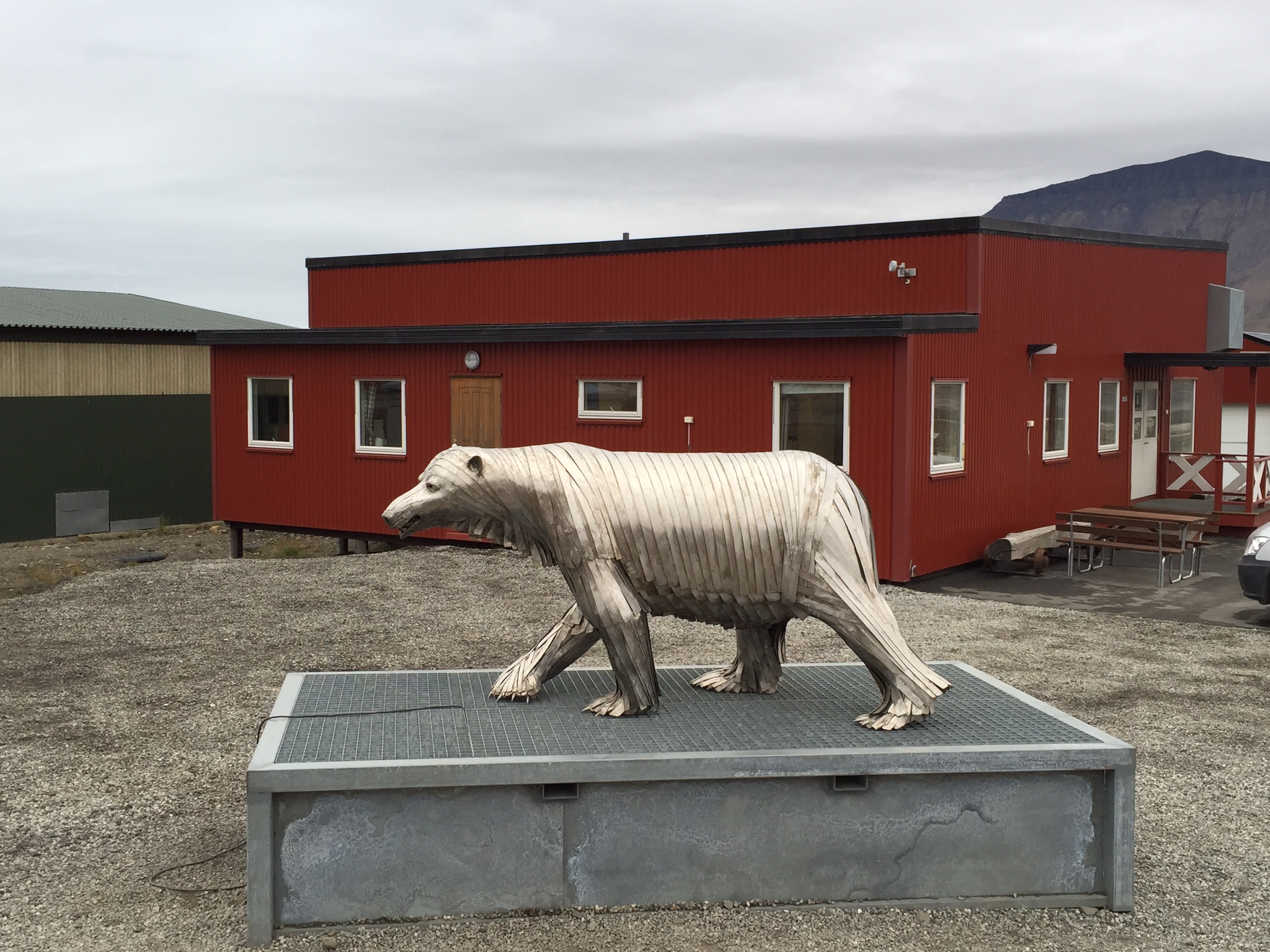
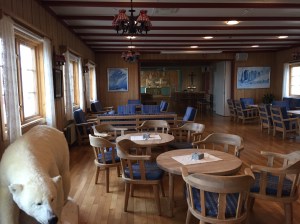
So not only Longyearbyen is a city of Santa, but also of science and art. And it is the only place where you can walk safely without a riffle. Polar bears don’t like this town and are only an inspiration for the artists. It is very likely that e.g. the bear above, or some stuffed ones in the shopping centre or in church (!) will be the only ones one will meet.

IMG_0439 IMG_0062

Don’t worry about leaving the safe zone without noticing. The governor of Svalbard took care of making people aware where the necessary protection should be considered. Also, finding remnants of other animals, like reindeers might be a good sign of the polar bear’s presence.

IMG_0424 IMG_0134

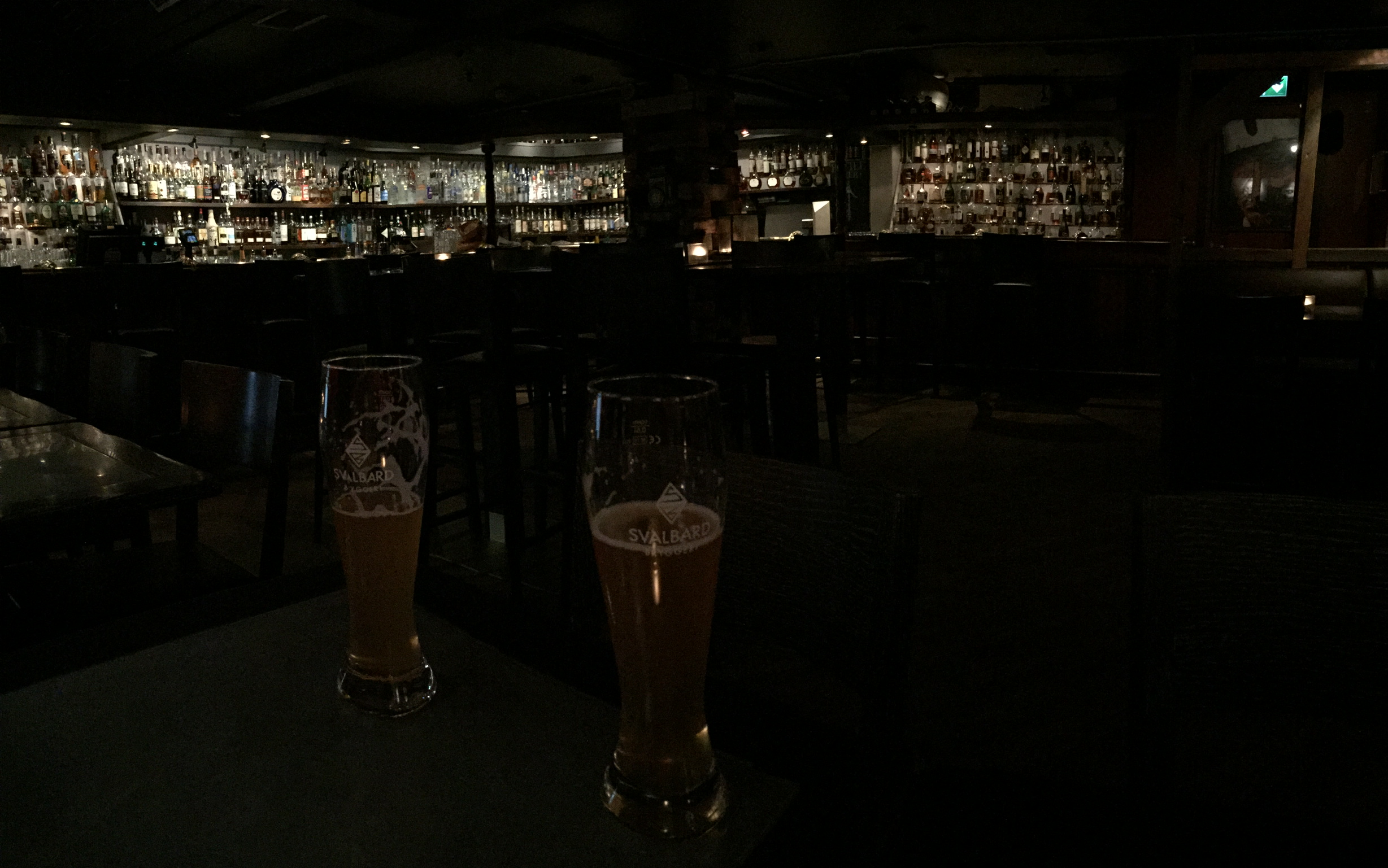
Other practical information for those planning the trip: although Longyearbyen was one of the first spots on Earth with the best bandwidth Internet connection, very few places offer free WiFi where you can send an e-mail to your dearest concerned about if you are still alive, or already being digested by a polar bear. As this is an impression you can get before travelling to Svalbard, in reality: being precautious is a good thing, but let’s not forget that polar bears are still quite an endangered species!. So the places which offer 24/7 free WiFi and cosy shelter are e.g. the local church and pub Karlsberger, listed as the 6th best pub in the world. Up to you where it feels better (make sure though to try at least once the very local brewed beer of Svalbard!). Alcohol is much cheaper than in mainland Norway, given the duty free zone of Svalbard, but tourists have consumption limits for beer, vodka and liquors. Wine and champagne may be consumed with no limits though (?!).

IMG_0450  IMG_0117

Last but not least: Longyearbyen is home for many bird species. As mid-August is already late for them, I was not lucky to spot all sorts of geese or elder ducks whose presence and nesting ground is also clearly marked, but it is good to know that they still like it there. To put my almost week-long experience on Svalbard, I was so enchanted, that re-visiting this part of the world is a question of time. As the local newspaper is issued once in two years, the goal is to get there before the next one will be out.

IMG_0411 IMG_0415

Beyond 79° latitude: Pyramiden

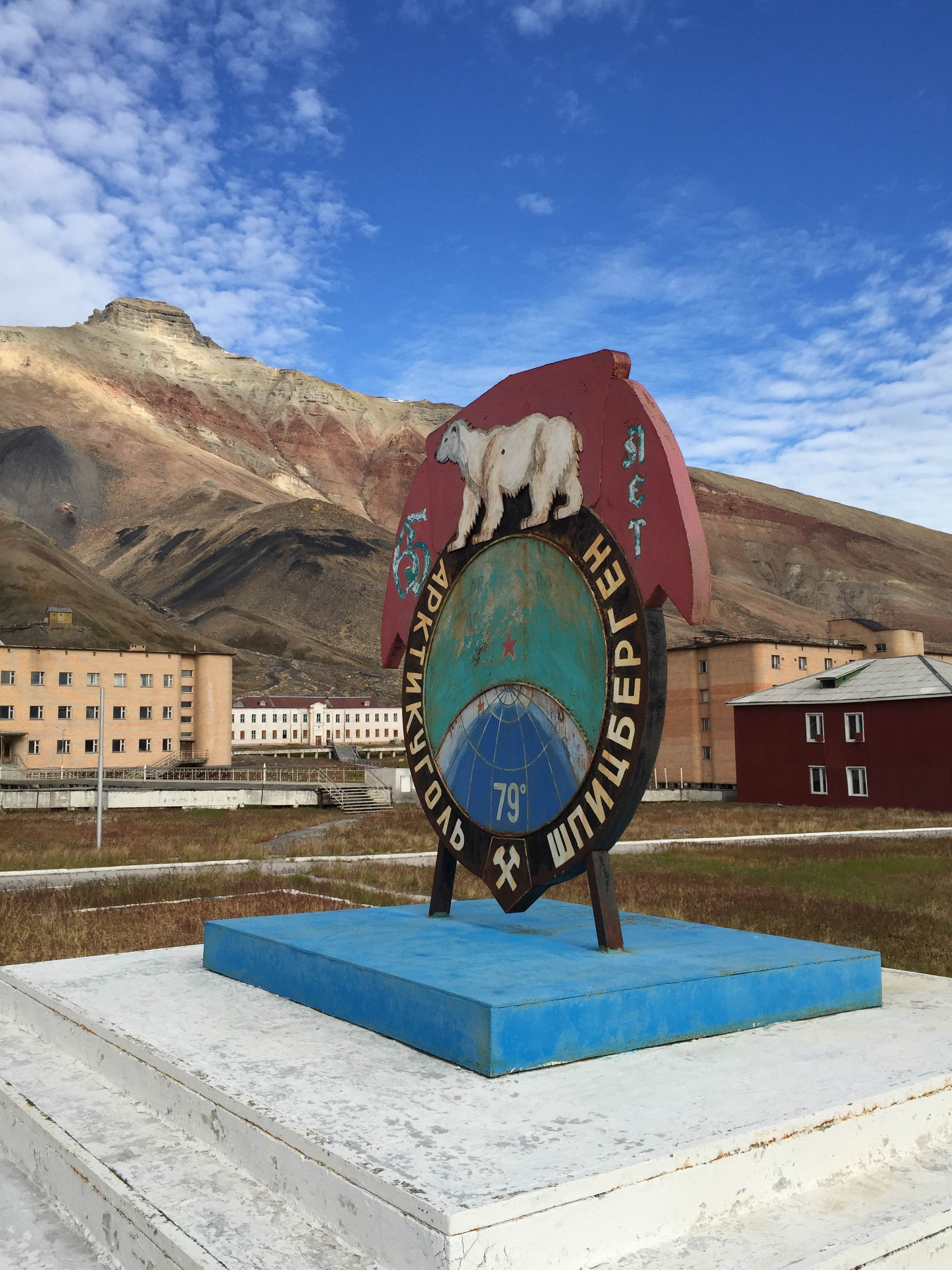
Pyramiden or Piramida (Пирамида in Russian) was one of the most beautiful abandoned places I’ve visited while exploring the Arctic Island of Svalbard. To get there you need to sail for a few hours from Longyearbyen, the administrative capital and the most populous town on Spitzbergen, the biggest island of the Svalbard archipelago.

IMG_2918 IMG_2914

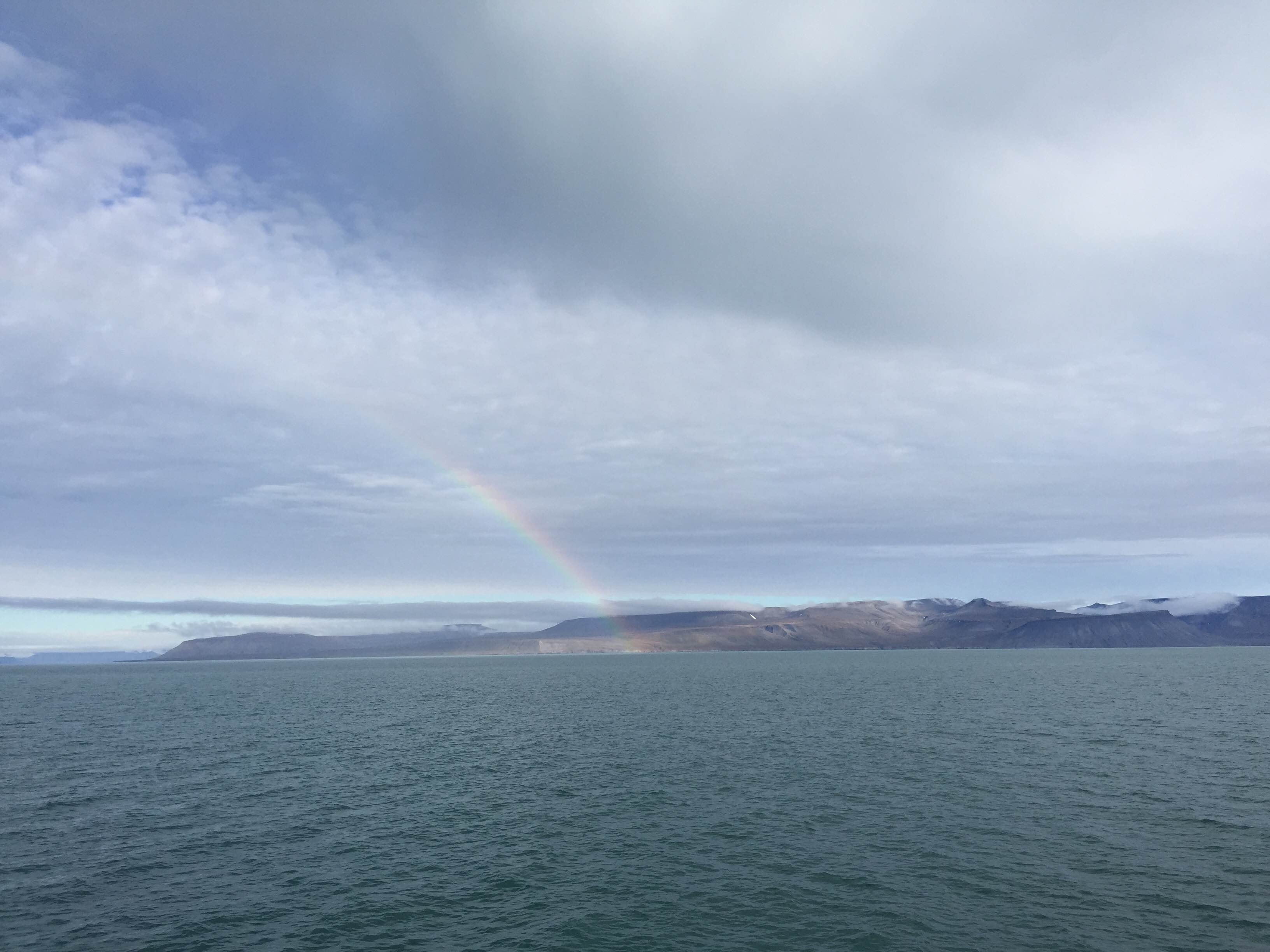
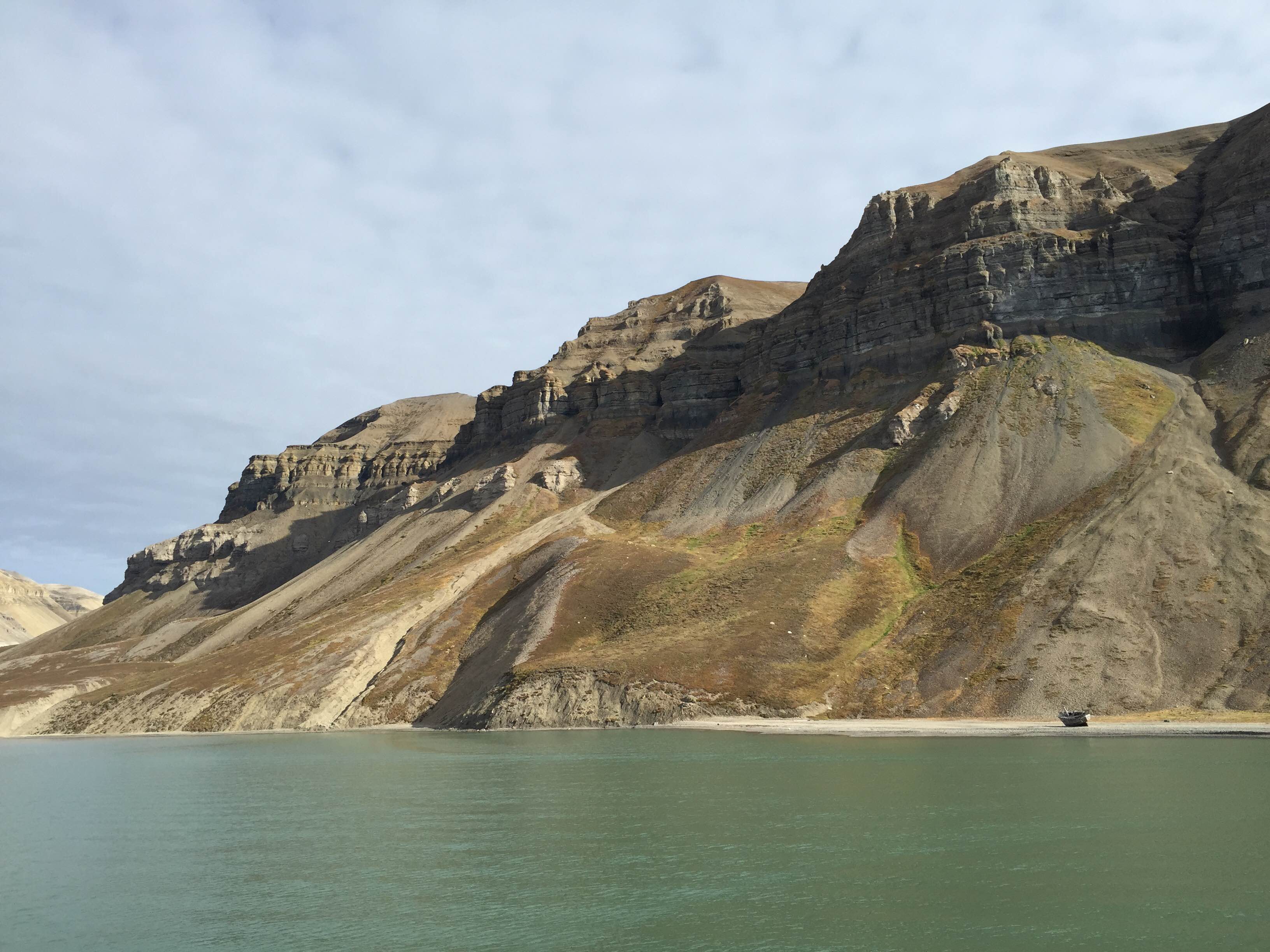
Sailing up to 79th latitude offers spectacular views, such as Arctic skyline, fiords and mountain ranges.

IMG_2953 IMG_2996

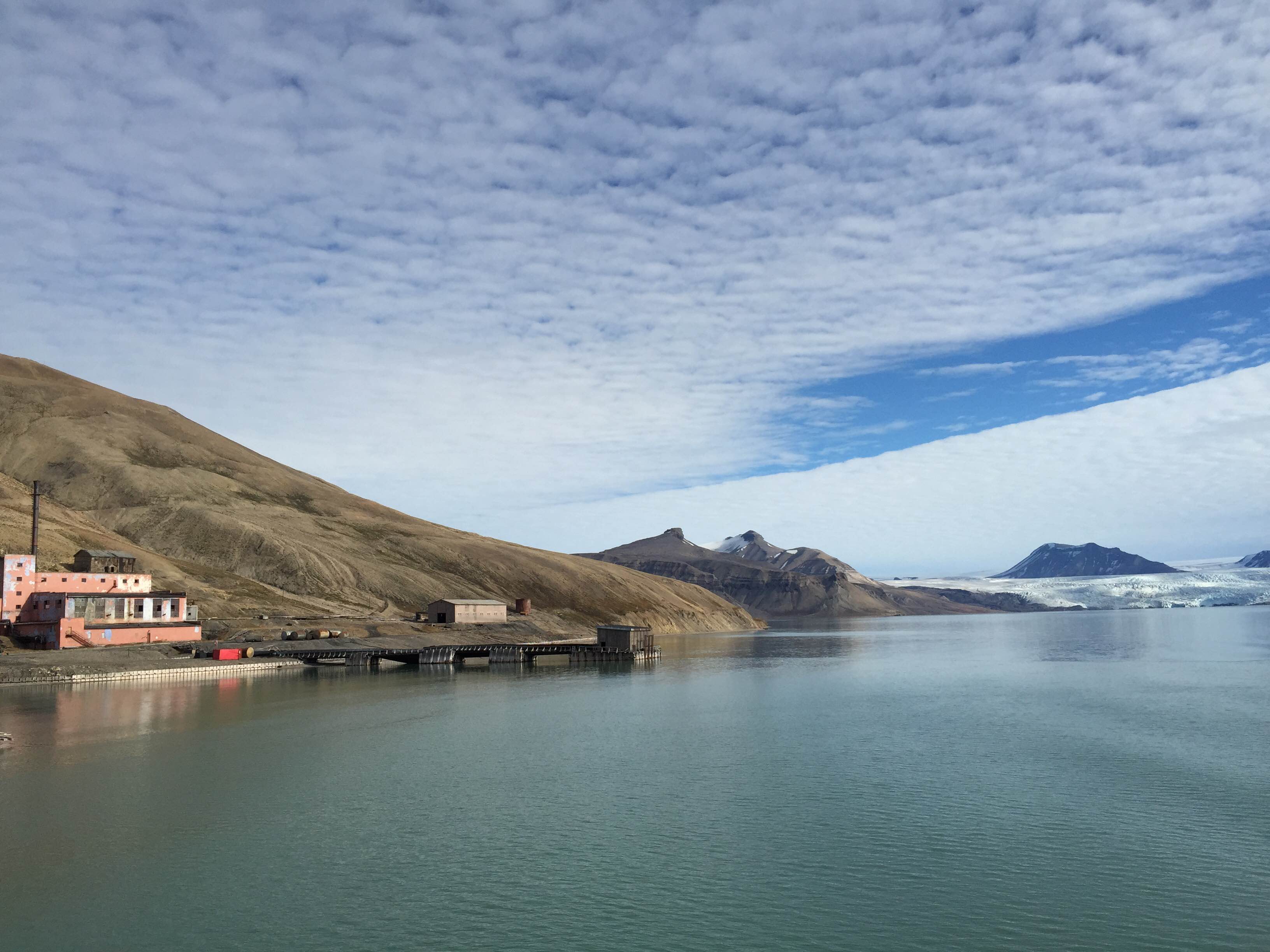
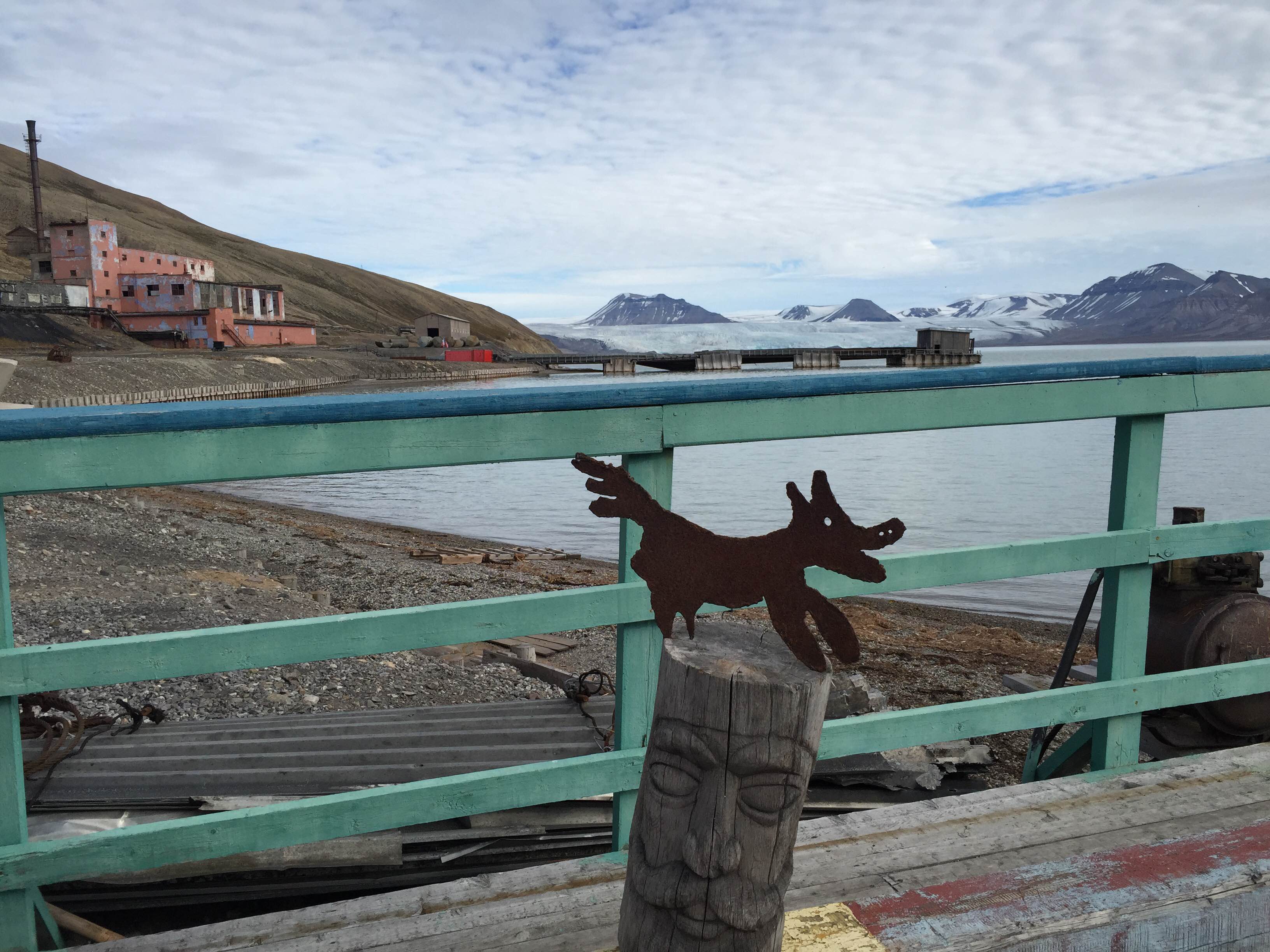
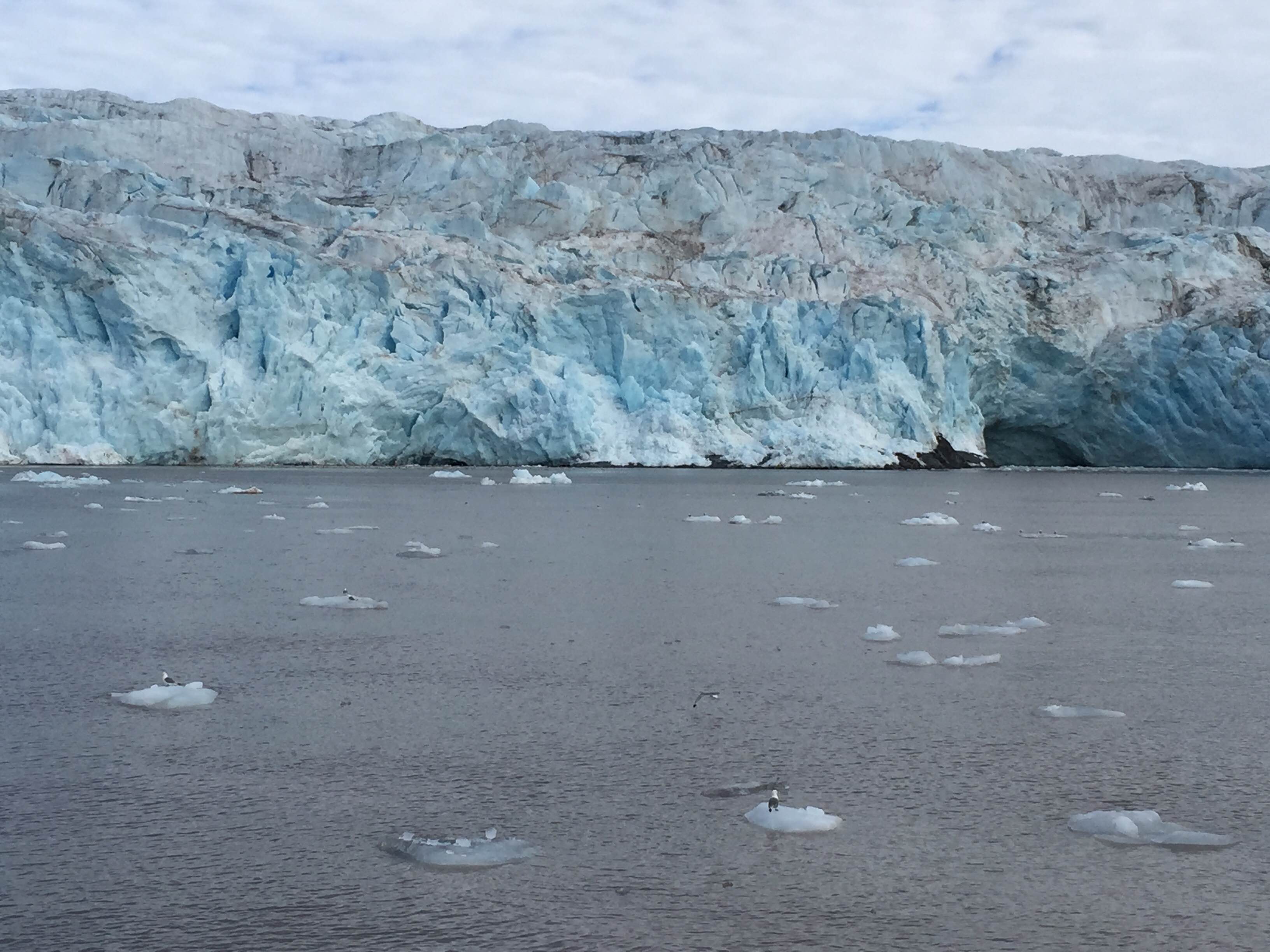
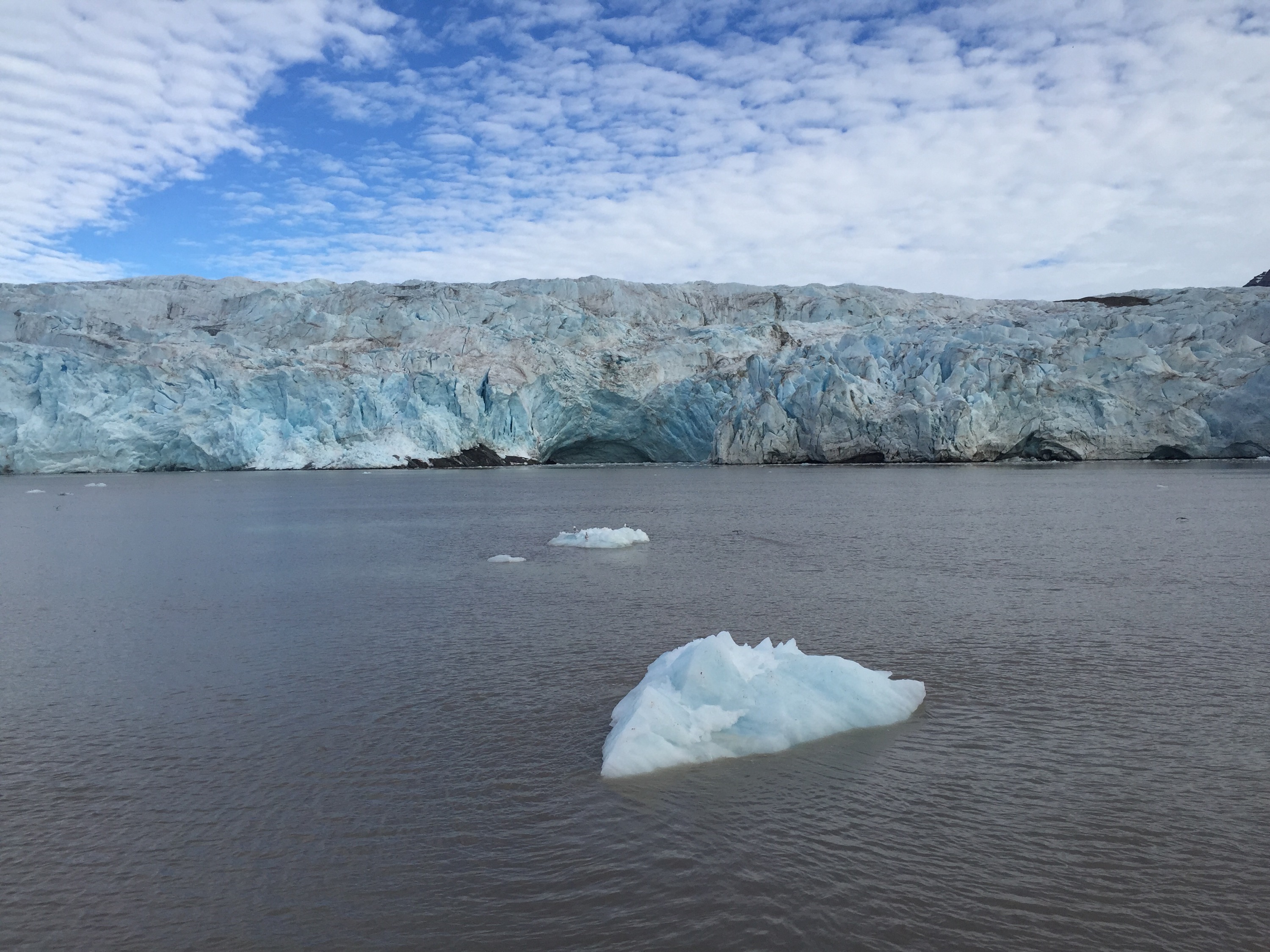
Neighbouring with Pyramiden is the Nordenskiöld glacier, and its majesty can be seen from all over the town.

IMG_3016 IMG_3017

Back in a day, Pyramiden was a soviet mining settlement which was inhabited by roughly 2000 people. After 1997, when the bancrupcy of the coal company led to evacuating the entire population, it became a ghost town. For many years no foot was set there, and currently there are only a few people living in Pyramiden, taking care of the remnant buildings in the town.

IMG_3012 IMG_3077

There is no mobile, nor Internet connection, but yes, indeed, there are polar bears in the settlement. I have not met any, but heard from the guide that there was one approaching, so he had to walk vigilant with his riffle loaded.

IMG_3020 IMG_3025

Pyramiden is very green in the Arctic summer. Even the grass greener on the Pyramiden side! Wait: grass in Arctic? Well, not naturally. In the past, Soviets tried to bring as much normality to this Artctic town, as possible. Importing food and grocery was very expensive, so they brought fertile soil from Crimea region and tried to grow veggies at the 79° latitude. As we can see years after, the experiment was not entirely absurd.

IMG_3040 IMG_3094

And Lenin is still there, watching the magnificent glacier and brutalist architecture. Once hosting workers’ families and offering all sort of facilities: gym, school and kindergarten, now Pyramiden’s blocks are home to countless Arctic birds.

IMG_3092 IMG_3109

Sasha, the legendary guide and one of the few long-term inhabitants of Pyramiden. And tulips, which may still remember some wild parties on the International Women’s Day…

IMG_3059 IMG_3090

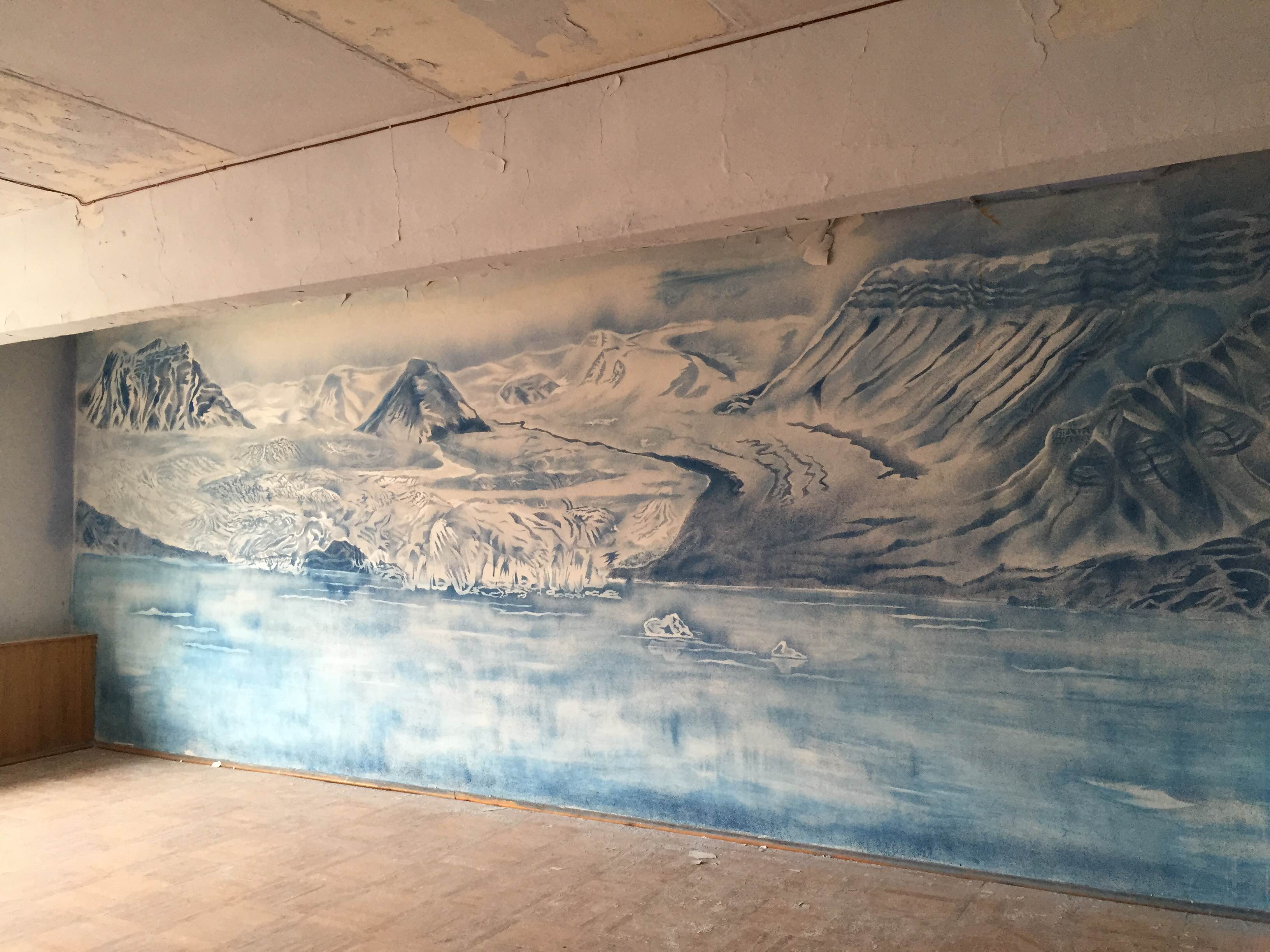
If you are visiting Pyramiden with Sasha or Pavel (the other guide who joined the town this year), you will be able to enter to cantine or culture house where the facilities and art was left untouched since the last inhabitants left.

IMG_3070 IMG_3066

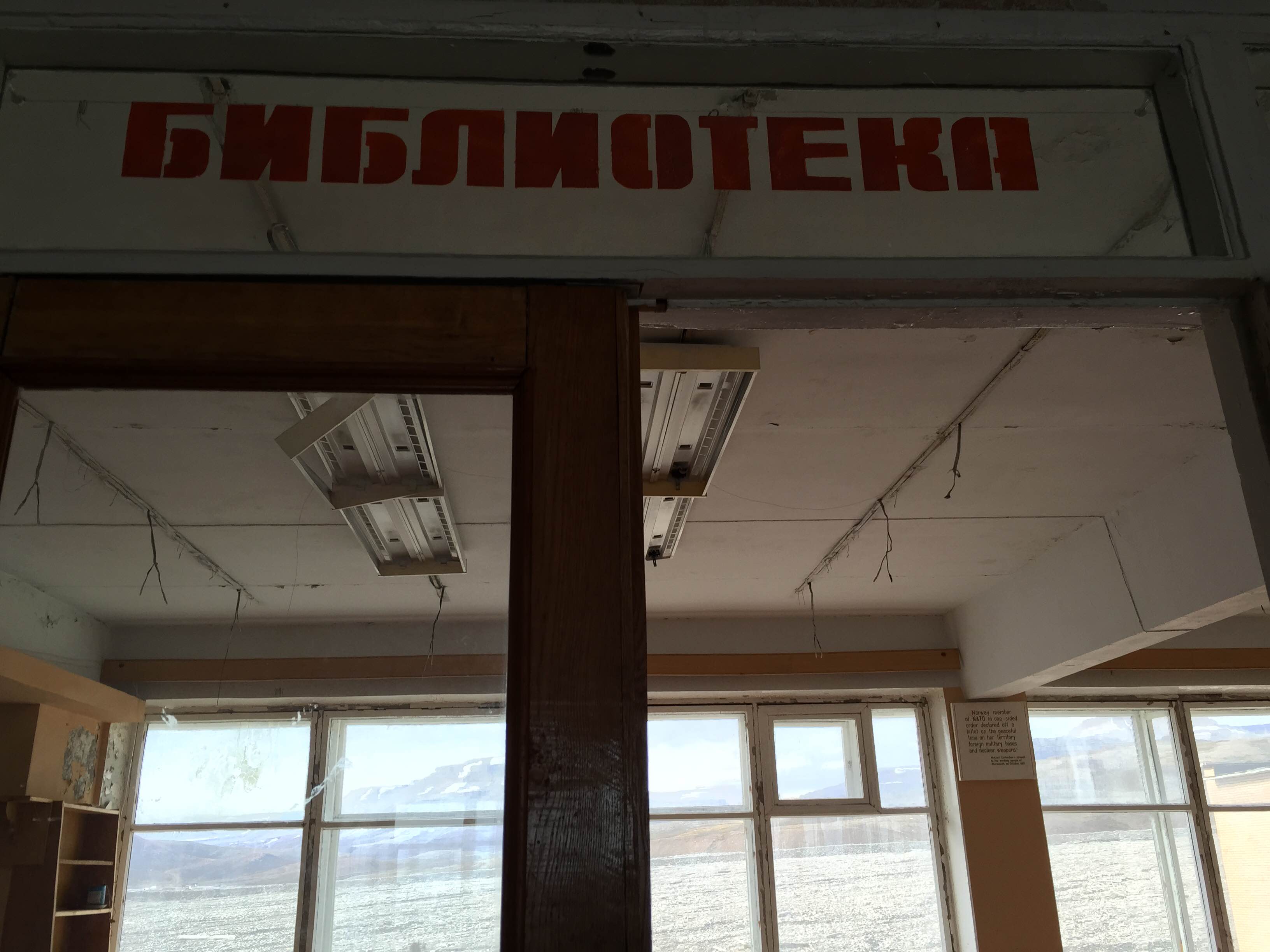
You can even play football, contemplate in the library…

IMG_3072 IMG_3075

…or play balalajka and read through some important posters from the 70s & 80s.

IMG_3101 IMG_3108

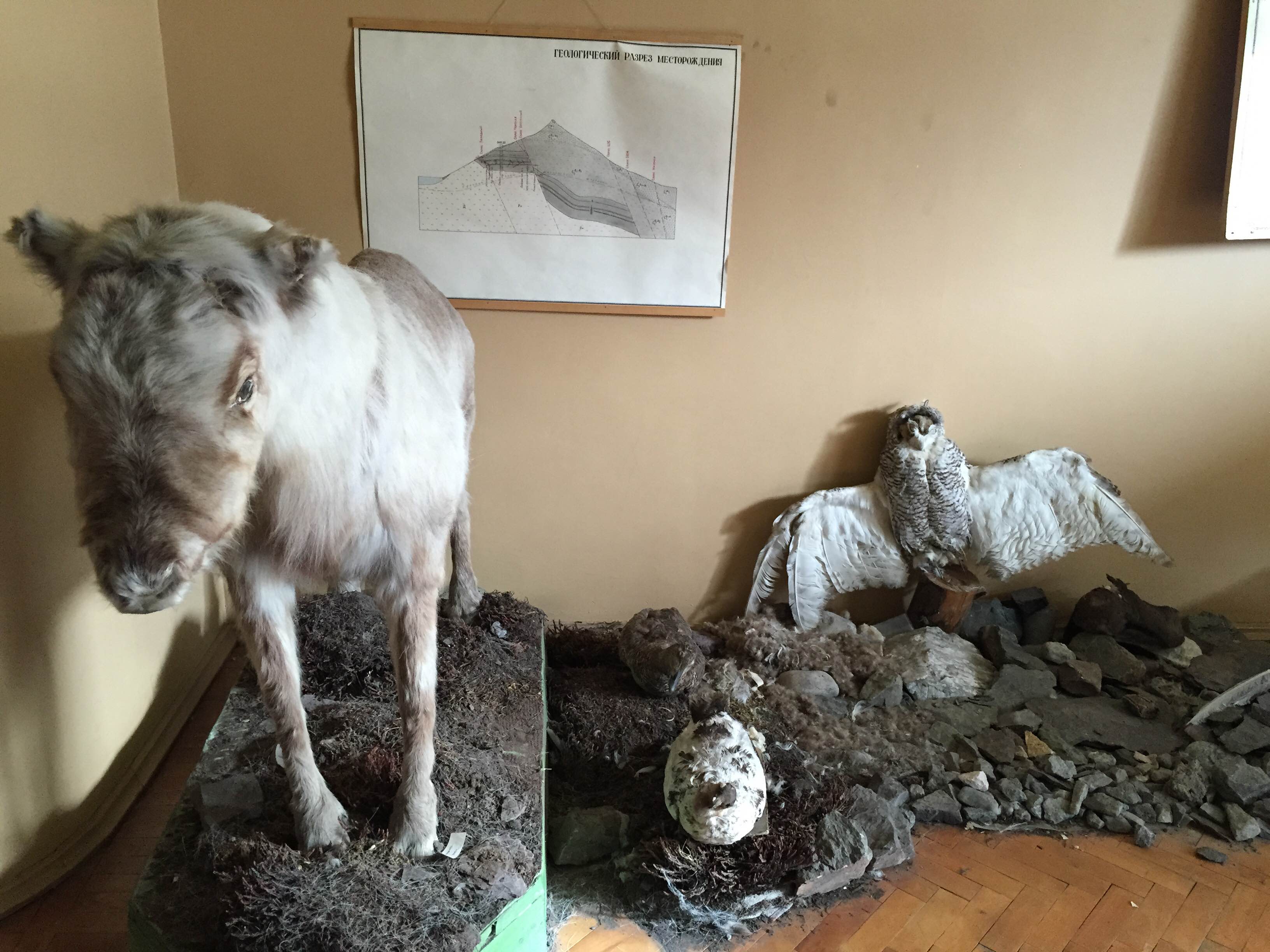
There is also a small museum presenting emblematic animal life of Svalbard. Unfortunately, many animals were torn apart by a polar bear who sneaked into the museum once in search of food, or companions.

IMG_3112 IMG_3117

I wish I could stay longer in this magic place. After a few hours, I had to return to Longyearbyen with the MS Polargirl ship. On the way back I passed along the glacier, observing seagulls, fulmars and Pyramiden in the sunshine. Cause in early August sun never sets on Svalbard.

IMG_3134 IMG_3151

Ausflüge pt. 3: My Arctic escape

It all started a year ago when I was still living in Barcelona, so there’s not much connection to my everyday Berlin reality within this odd-ball post, except from that I did wanted to escape badly the heat wave in Europe. Around the time I visited Iceland in June 2014, my Danish colleague told me about spending last Christmas time even more drastically North: on Svalbard. Since then, my wandering soul stayed uneasy and there was no turning back for me: I knew I had to go to the Northernmost settlement in the world, sooner or later. I started studying about Svalbard, and looking for the best opportunity to go there as a tourist. Pardon me, a traveller. Being a tourist on Svalbard means something very disrespected and stupid.
IMG_2857 IMG_2765
I read about moving to and around the island, paying attention to the safety regulations, and protection against the polar bears. Though polar bears are considered endangered species, they are actually quite often seen on Svalbard, so it’s better to walk protected with a riffle (asking the governor for a renting licence prior to your visit). Or with a guide. Or with a newly acquired friend in town who owns a riffle, there are plenty of options to organize your activities there actually. Bearing in mind that the mighty nature is always the most important governor of the island!
IMG_3211 IMG_2827
Although Svalbard is still a very remote and wild place to go, I have to say it’s pretty well-connected now with the rest of Europe. In the summer time there are about 2 daily flights directly connecting the airport in Longyearbyen with Oslo, in the winter time there’s a daily flight from Tromso in the northern Norway. Longyearbyen, currently the largest town in the archipelago of Svalbard, on its largest island – Spitzbergen offers a wide range of hostels and hotels – from sharing a dorm with some other adventurers in a former coal miners’ lodge to 5-star hotels, like Radisson Blue or Mary Ann’s Polarrigg Hotel (with a very quirky look). So all in all, to go to the Northern tip of the world from my flat in Berlin took me maybe 7 hours in total. Quite surreal, isn’t it?
IMG_3142 IMG_3126
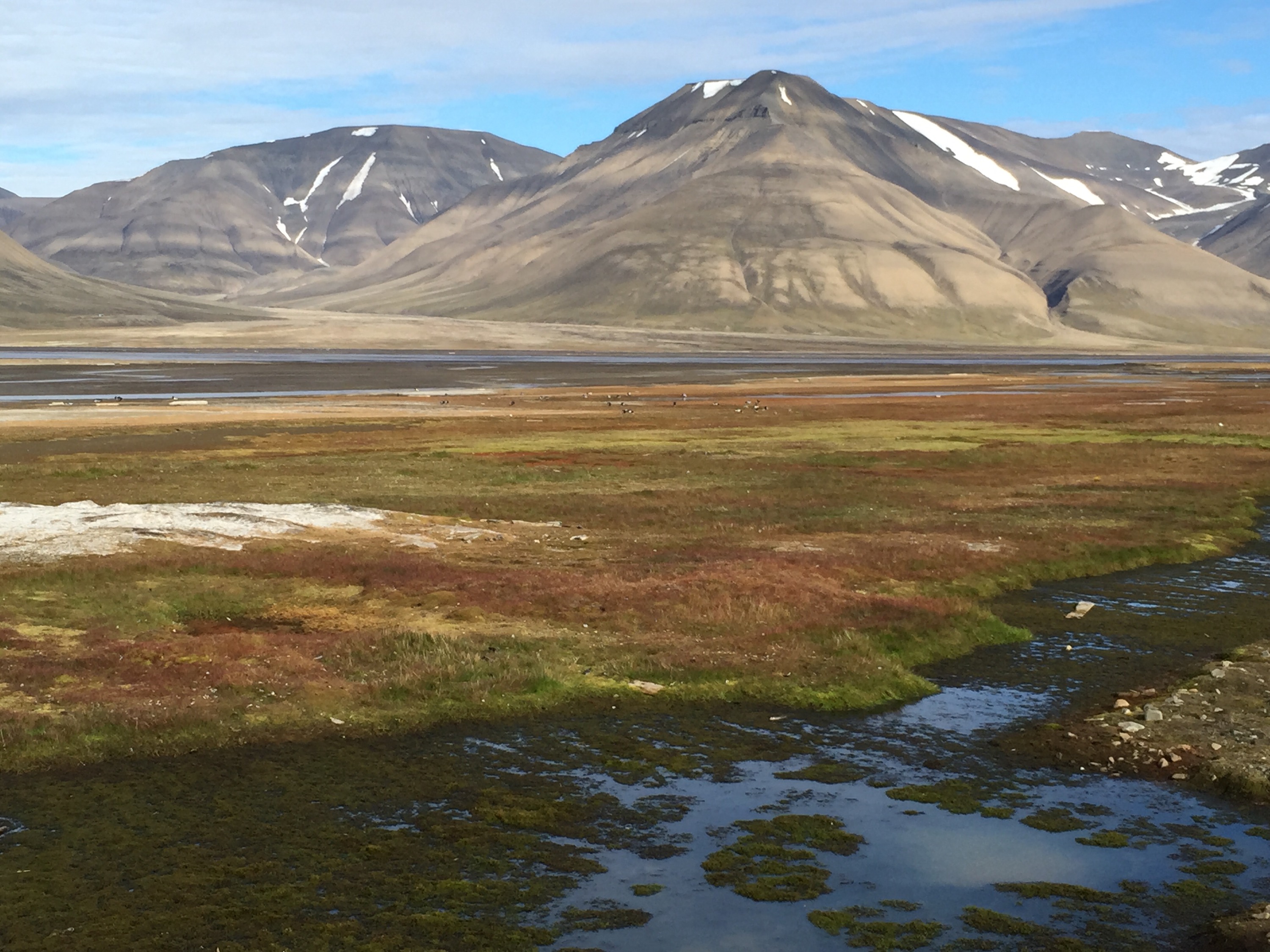
While the heat was treating the continent quite cruelly last week, I spent some lovely Arctic summer days: hiking on the Spitzbergen’s mountain ranges, sailing and kayaking around the fjords and Russian settlements, birdwatching or exploring the abandoned buildings on my own.
IMG_3252 IMG_2970
It’s not a trip for everyone. The place is pretty different to anything you’ve seen so far, and the conditions on the sea/in the mountains can get quite hostile. You have to respect the local customs and the nature, trying best to behave like an invisible tourist, which is often repeated in the informational brochures. The alcohol is very cheap as for the island being a tax-free zone, but in order to prevent tourists behaving like jerks, you have to carry your boarding pass whenever you’re buying a booze, as the quantity of what you drink is noted, and eventually – counted. Well, not really – and for the intoxicated tourists there’s a unique cell prepared too by the local governor – and I’ll definitely write about it in my next post featuring the usual day in Longyearbyen. I’ve learn best that there is no such thing as crime out there, just plenty of tourists that can spoil last pieces of wilderness on Earth. So once again: thumbs up for travelling, not being a tourist.
IMG_2788 IMG_2829

Hafen City

Long time no write, but what a month it was… May is a very special month in Germany. Not only the cities become greener and more appealing, the days are truly longer, but also ,surprisingly, there are a lot of long weekend deals. This is why I was too busy travelling and/or going out these days to keep my German diary updated.

IMG_1205IMG_1221

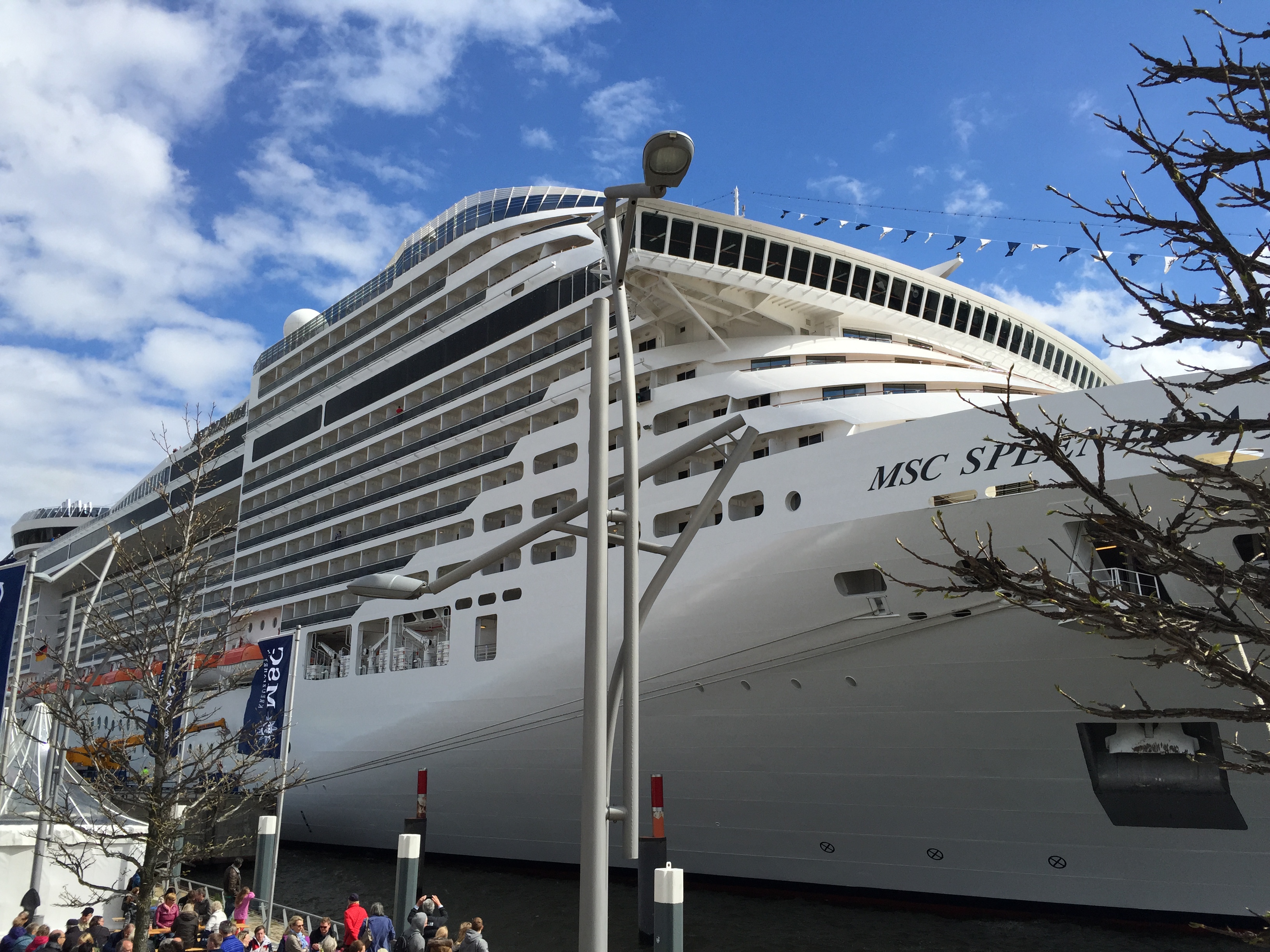
My first destination outside of Berliner Universe was one of its rival cities: Hamburg. I always wanted to go there are this is one of the biggest and also open-minded cities in Germany. For centuries, it’s been a most important Hanseatic port which allowed different cultures influence this part of Europe.

IMG_1272IMG_1250

My biggest surprise of all was to encounter the genuinely Portuguese corner very close to the city centre. And as we speak of the neighbourhoods, even though Hamburg is not as big and diversified as Berlin, I was enchanted by its variety of choices.

IMG_1167IMG_1172

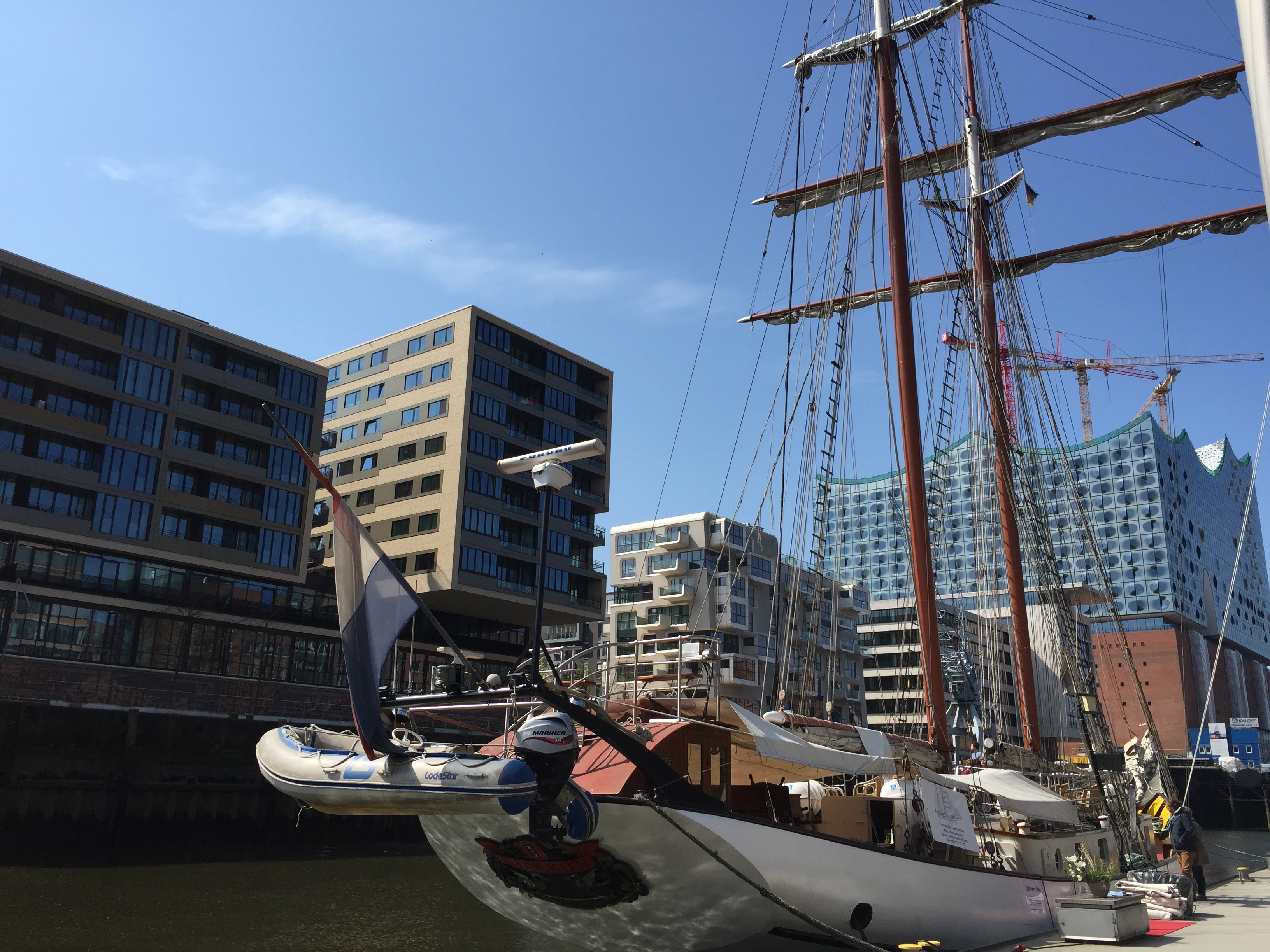
Obviously, the city lives on water, which I find a vital thing. The former port and its belonging granaries is currently the most elegant, refurbished and newly acquired Hafen City where restaurants, bars and galleries are popping up one after another. It is also a visual pleasure for the architectonic aficionados, be it the Hamburger Philharmonic, or various 17th century port buildings.

IMG_1239IMG_1256

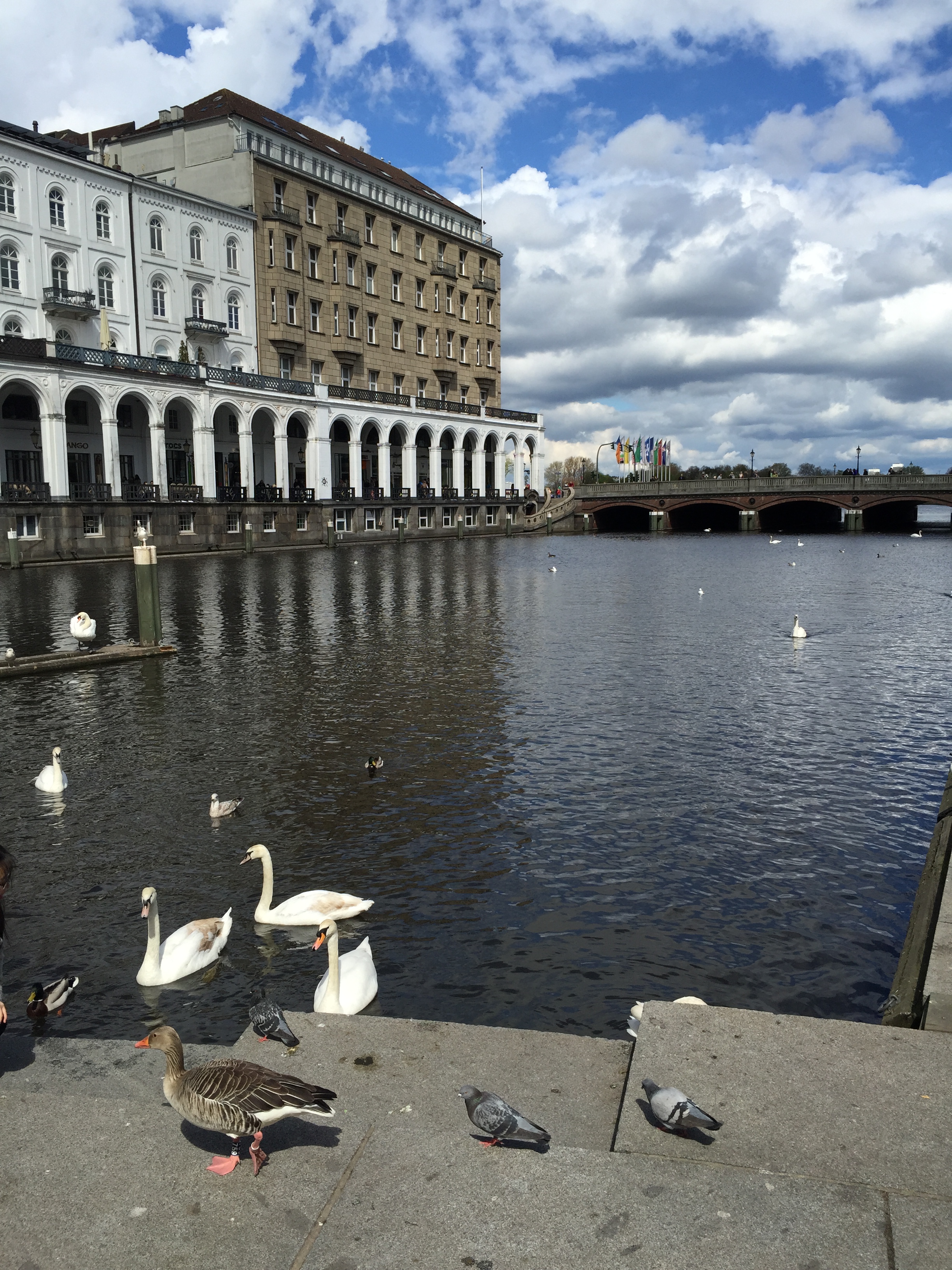
Hamburg has also its own beach up North – Blankenese, where residential life meets the beauty of nature. For the nightlife and affordable eating out, I would definitely recommend the ever-alternative St. Pauli and Sternschanze (which, no offence, somewhat made feel very similar to Berlin’s most trendy Kiez). On the May 1st, traditionally a Riot Date in Berlin – St. Pauli became a war place between the Left and Right wing and the police in between, so maybe next time I’d recommend to avoid this neighbourhood when around this time. At least if you’re not a definite riot type, it’s just better to chill, feed birds and enjoy the breeze on the Alsterpavillon.

IMG_1125IMG_1235