Auseklis of Latvia 

Auseklis in Latvian means ‘The morning star’ and symbolizes protection from dark and evil. As somewhat my long weekend getaway coincided with the season change in Latvia: from long winter to springtime awakening, I feel that this could be a could symbols for the changes that were going on not only in nature, but also in my life.

For some reason, even while I visited both Lithuania and Estonia years ago, Latvia was always a pending country in Europe to see. What accelerated my visit were a few spare days in April I could use up for holidays and having two of my friends living there and posting beautiful Instagram pictures of Riga, Baltic coast and Sigulda, even in the gloomy wintertime.

I stayed in the hipster part of Riga (where else I could end up, ha ha) nearby Miera Street, full of original cafes, craft beer bars, theatres and streetart. And Laima – the chocolate factory, which tested really good!

I obviously checked the must-see boxes in the beautiful Riga’s Old Town learning about Latvia’s rich yet turbulent history, including visiting the Jewish Ghetto. I was equally enchanted by the Art Nouveau district, and post-industrial parts of the city, as much as the parks.

I didn’t go out at night beyond the Miera Street – my friends warned me that most likely for clubbing in Riga, I’d need to dress up in high heels. Berlin all-black-everything-I-don’t-give-a-damn style still didn’t get in here.

Instead, I chose an early morning escape to Sigulda, Krimulda and Turaida. 1 hour train ride from Riga you can find yourself in the beautiful Gauja National Park which is a paradise for hiking. Local tourist information offers a lot of advice regarding the most interesting paths. I opted for the 25 km one which was ambitious but extremely pleasant, including visiting the castle in Turaida, Park of Walking Sticks in Sigulda (?!), Sculpture Park of Krisjan Baron (Latvian natural art representative), as well as some bird-watching reserve. And since it was a very early springtime one could witness the sheer awakening of all the species!

On the third day I visited Jurmala, a seaside resort town and hosting of one of the most beautiful beaches. All in all, I was extremely happy to have discovered Latvia, and I would like to thank my friends for the extensive list of tips prior to visiting it.

And today I’m even more happy since one of them is re-visiting me in Berlin!


Poznaj Poznań!

“Poznaj” means “meet” in Polish language. Poznań is my home city in Poland and the idea of writing this post came due to numberless queries from my international friends visiting this beautiful place to gather some of my tips in one place. Quite a challenge, as it is difficult to pick some basic facts, or personal faves I gathered during 20 years I lived there and squeeze into one post.  I will try to focus and see Poznań as a tourist, which I lately turn whenever I come back for a weekend.

Yes, it’s a perfect weekend getaway city: very vibrant, full of bars and restaurants as well as some interesting history to discover. Berlin is the closest biggest city nearby (well, Szczecin is not far away either) and it takes less than 3 hours to travel there by direct train, bus, car – or for more extreme ones: about 23 hours by bike. There are often discounts to get to Poznań: if you buy your ticket in advance (at least 3 days before your trip), you will be able to travel for 19 EUR on the Berlin-Warszawa-Express train. Ecological and fun: you will be able to see Greater Poland’s landscapes, with its pecularities such as the tallest Christ the King sculpture in the world in Świebodzin.

At a first glance, it shares some similarities with Berlin, due to the obvious proximity and the influence of over 100 years of Prussian occupation before Poland re-gaining independence in 1918. Nowadays this can be reflected the most by some monuments (like the Imperial Castle of Wilhelm II), the urbanistic planning of certain neighbourhoods and… the spoken language. Poznań’s dialect consists of many German-originated words. The closeness of Berlin has influenced also more recently the clubbing culture in the 90s and early 2000s bringing legendary Tresor club residents to regular gigs. Poznań is often referred as the most LGBT-friendly and nightlife-loving city in Poland. However, this may seem exaggerated, since Poland is unfortunately quite prone to conservative backlash.

Poznań is also an incredibly green city – parks like Citadel (with exceptional WWII exhibition and Magdalena Abakanowicz sculptures), Sołacz and lakes like Malta, Kiekrz or Strzeszynek are popular spots regardless of the season (there are also some aficionados of the winter swimming, believe me!). Lately, during summer you cannot miss city beaches opening, apart from the well-known KontenerART, there are Brzeg Wschodni and The City Beach “Na Szelągu”.

Some basic facts? It’s not as obvious tourist destination in Poland as Warsaw or Cracow, but it is where the first bishophric of Poland was established in 10th century, so for history-loving people a visit in the Ostrów Tumski near (nowadays) very hip Śródka neighbourhood is a must. Poznań boasts itself with a picturesque Old Town Square and very lively streets around the city centre. Fortunately for the development of some other parts of the city, I see the trend of decentering the location of interesting spots to other neighbourhoods as well, so if you have a chance, wander around Jeżyce (and its murals!), Grunwald, Winogrady or Wilda. There is plenty of new restaurants and bars everywhere, as well as local community initiatives.

Speaking about events, throughout the year there are various opportunities to visit Poznań and face interesting things happening, such as: Malta Festival, Dancing Poznań, Ethno Port, Short Waves, Enter Jazz Festival and Spring Break  Showcase Festival & Conference.

OK… Mission: tourist in my own city accomplished. If you wanna know more about my city and more private notes, simply let me know!
Treasures of Thessaloniki

It’s June and the spirit of summer is definitely out there, everywhere, while some of you might be planning some shorter or longer excursions. Well, that’s not my case at all, since I’ve just started a new job and my mindset is almost fully focused on it. Since I will stay in Berlin for most of the summertime, I will only share my travel ideas or past experiences looking at my writing backlog and most importantly: sharing my pictures from the last couple of months.

This is why I would like to re-inaugurate a subsection of the Berlinering blog – within ‘Beyond Berliner Ring‘. I love travelling and Berliners do too, no matter how much they love their city. Convenient location within maximum 3 hours of flight from all the tips of the European continent, with 2 airports (and another infamous one being a special case of Berliner ‘Sagrada Familia’ construction type opening erm… soon) and similarly convenient trains, bus, motorways or even bikelanes (will be soon testing out the one connecting Polish border and the one leading to Copenhagen at some point, too!).

So put Thessaloniki first, as it was my Easter 2016 destination, which turned out to be discovering fantastic food, chic neighbourhoods and breathing the history at every corner.

I planned it equally active, so knowing that the city is great for long walks and hiking around its hills. I wasn’t disappointed and was pretty lucky with weather (since it can be still pretty rainy and cold around end of March/beginning of April).

The flights conveniently covered the period of all the Easter days, and in the city with so many interesting Orthodox Churches it was definitely interesting to see how is it celebrated, even for not particularly religious person like I am.

Generally pleasant weather accompanied me during the daily sightseeing – from the magnificent promenade to the Ano Poli and Ag. Pavlos hills, but I was also surprised how vibrant the city was night and day.

Located nearby the port, the best neighbourhood to taste local food is Ladadika, where I was going out to try delicious and original dishes for pretty affordable prices everyday.

Last but not least, the city didn’t feel too touristy (at least not at this point of the year), there were a lot of families and locals hanging around. The only one thing I regret is not having done the excursions to Chalkidiki and Meteora sanctuary which are still on my list and should definitely be for those visiting Thessaloniki. Καλησπέρα!

Sound Sculpture in Szczecin

Last month for me was exceptionally full of events in Berlin during the work week, and shorter or longer getaways during the weekends. Similarly like last year around springtime, I felt tempted to explore not only Berlin and Brandenburg, but also the coastline.

Triggered by the concert of one of my favourite Polish electronic music producers in the newly built Philharmonic Hall in Szczecin, together with my friend, we decided to spend a weekend in Szczecin, the biggest Polish city situated next to the North-Eastern frontier.

Typically people would go there on the way to some other locations: like for instance Polish seaside towns or even more popular summer festivals, like Plötzlich am Meer. The train ride to Szczecin would take us less than 2 hours and cost… less than 6 EUR, if you manage to find your ‘Berlin-Brandenburg-Ticket’ group, which is almost a ritual part of this route. Otherwise, if you don’t feel like socializing, you can stick to a special fare, individual ticket for 10 EUR.

Szczecin itself has its specific charm. On one hand, it’s probably one of the most spacious cities in terms of territory: situated by the bay, river and countless lakes, it is indeed huge. Given its difficult, war, post-war and heavily industrialised history, it also seems derelict or unproportionally uncrowded comparing to its size. This has a lot to do with the migrations to other bigger cities or neighbouring Germany. So obviously there are places one shouldn’t visit after the sun goes down.

However, there are some sparkles of creativity in reconstructing the city, and bringing more cultural events. The area surrounding the castle and the promenade is full of interesting street art and the city tries to attract different people by hosting cultural events such as Kontrapunkt, or at least inviting unusual artists like Skalpel for the electronic music showcases in the extraordinary set up in the Philharmonic, which is worth visiting itself.

I enjoyed this visit greatly, given that I was pointed many recommendations by my friends originating from Szczecin and the concert exceeded my expectations.

If you like history, scratching beyond the surface, and discovering the beauty in the atypically interesting architecture, yet you’re bold enough – visiting Szczecin sounds good in combining it with one of its cultural events.


Cheerful weekend on the Green Island

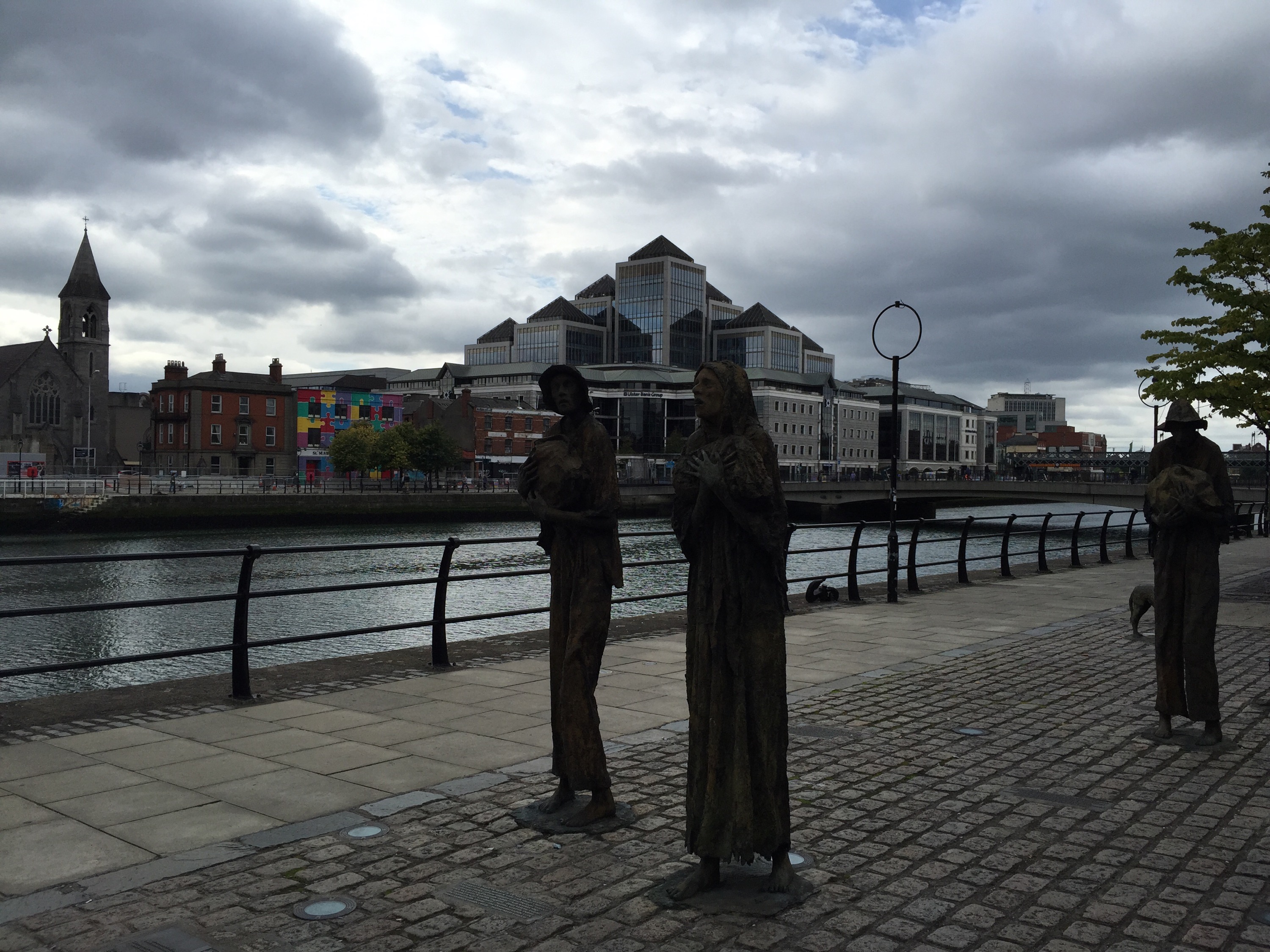
Fully conscious that lately I actually spend more time outside of Berlin, this must reflect the content of the blog. The fact is that even though German capital still lacks a proper international airport, it is fairly easy to pick any European destination and be there within less than 2 hours. So, the last weekend I’ve visited my friend in Dublin and got a bit of the Irish taste! See some of my Dubliner impressions below:‘Famine’ – set of sculptures situated on the Liffey River bank, commemorating the tragedy of Irish people early in the 20th century.
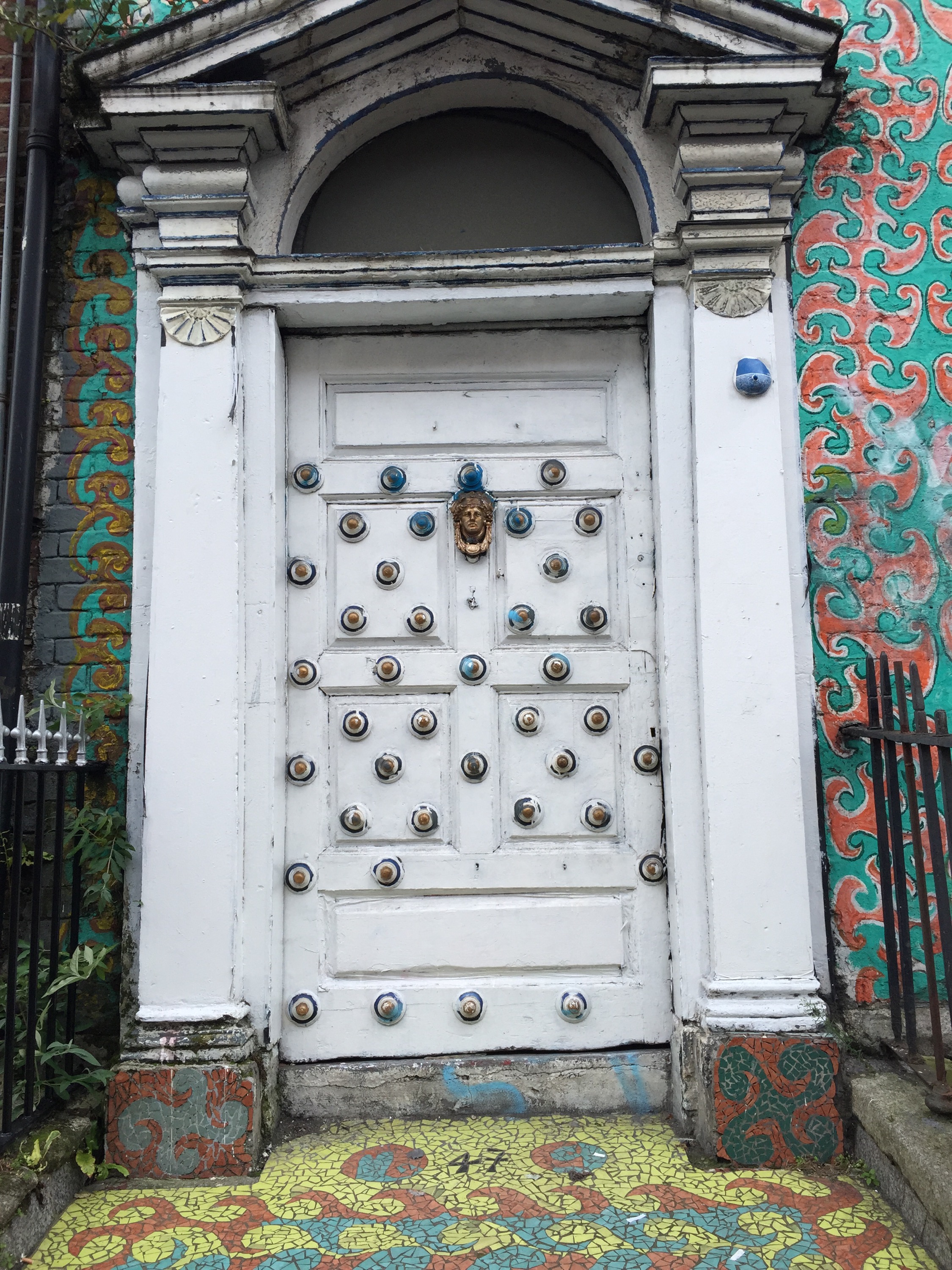
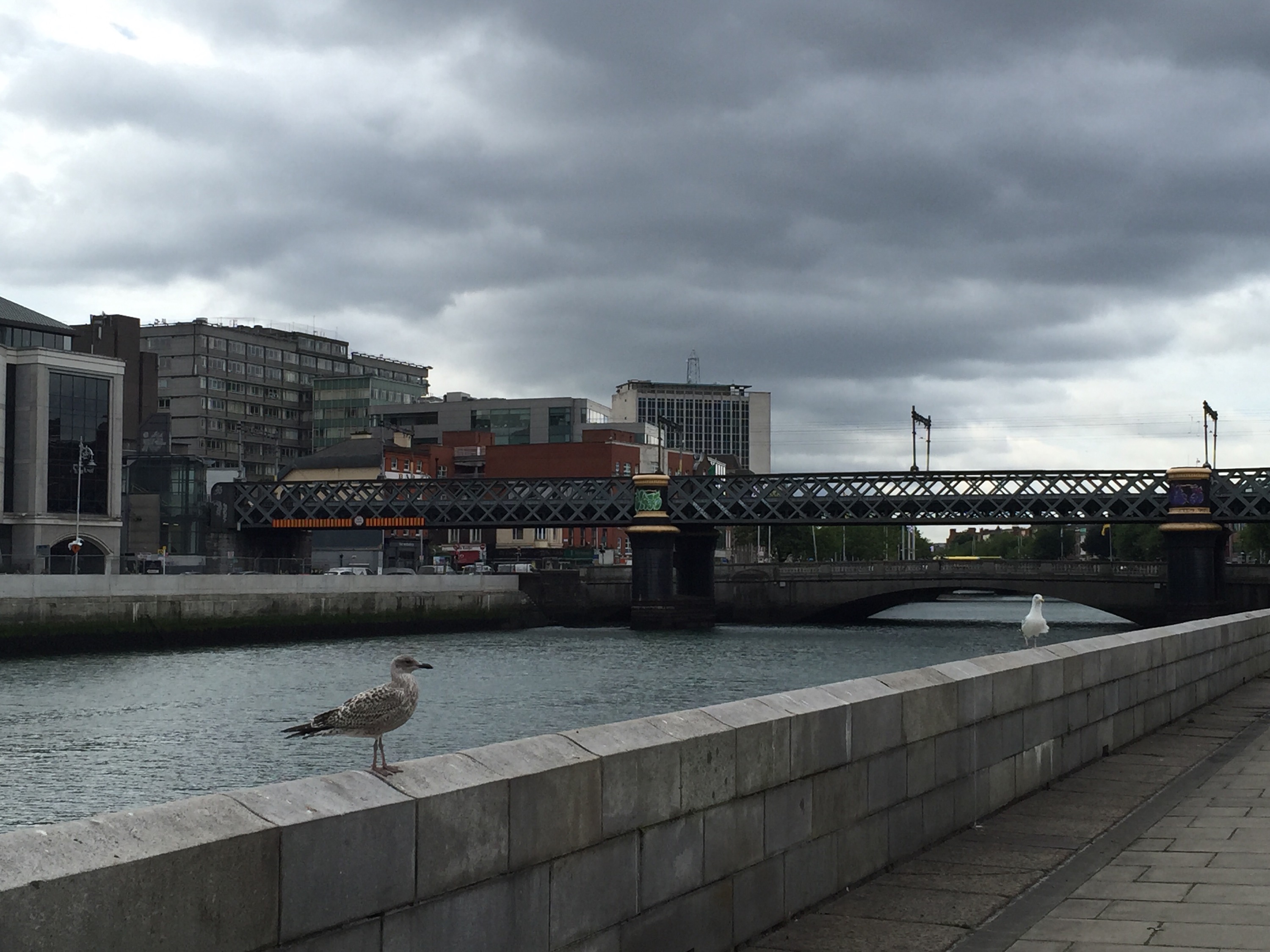
You like them or not, seagulls seem to rule the city. And seem to be proud of it.Where different cultures & styles melt.
And the legendary Molly Malone meets the modern-day (?) musicians.Where parks are, on average, located within 300-400 m reach. Wherever you are.
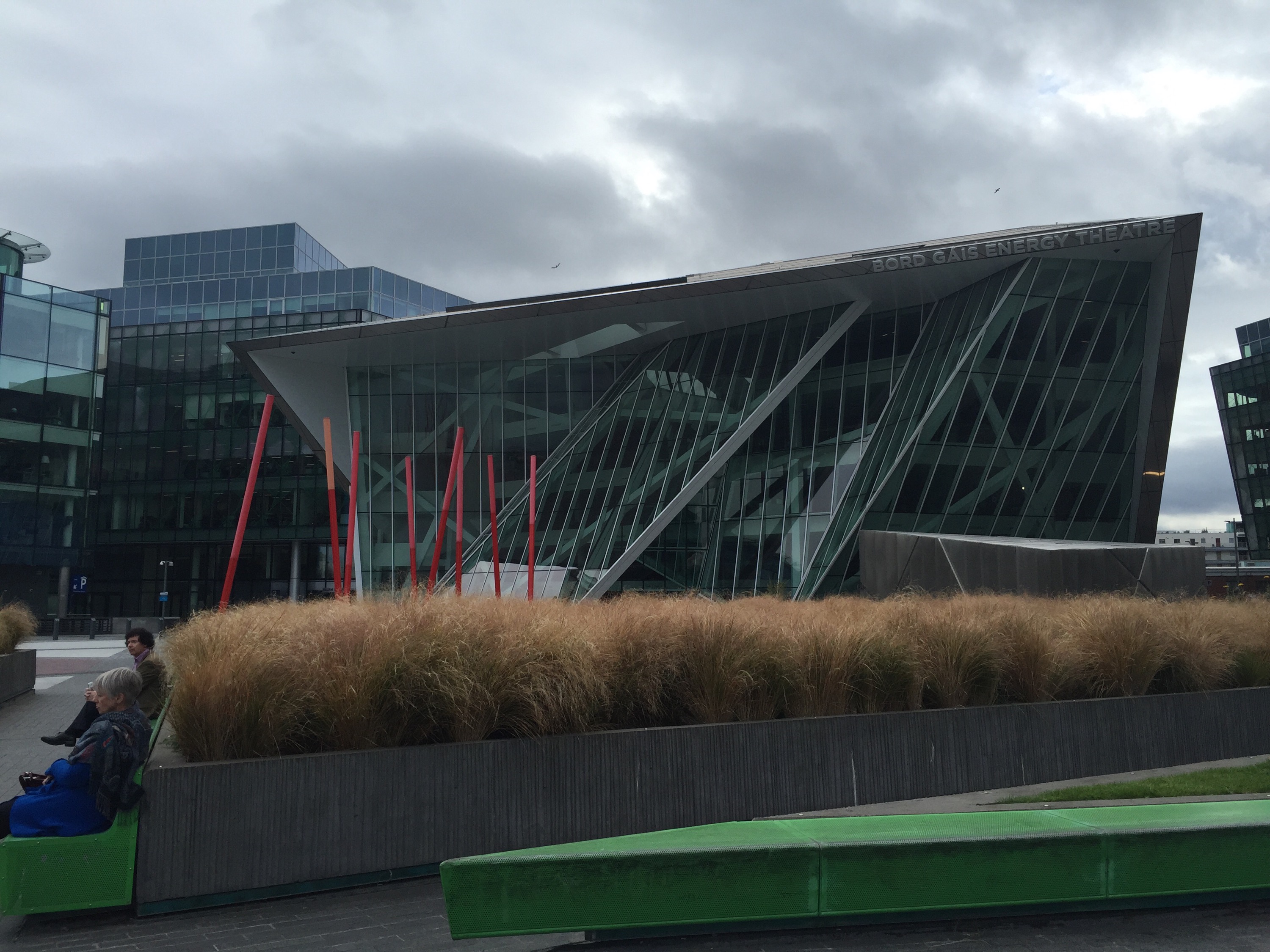
Where the modern meets the mighty Nature – here’s the Energy Theatre.And you’re always so close to the sea.
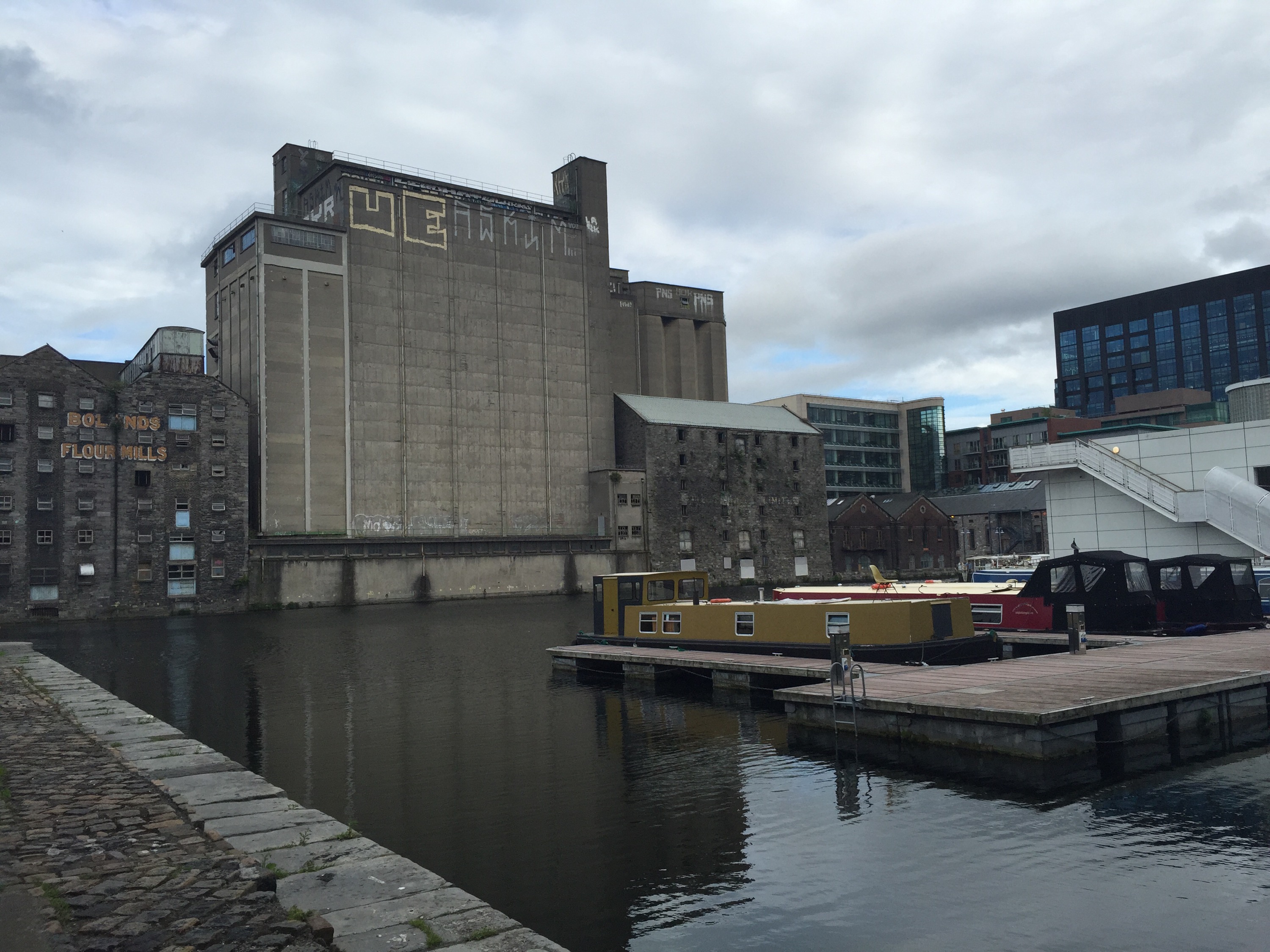
Or romantic canal docks anyway. Seagulls again.Where the postindustial architecture meets water, steel and glass.
Or again: the Green.Where even the National Music Hall is green.
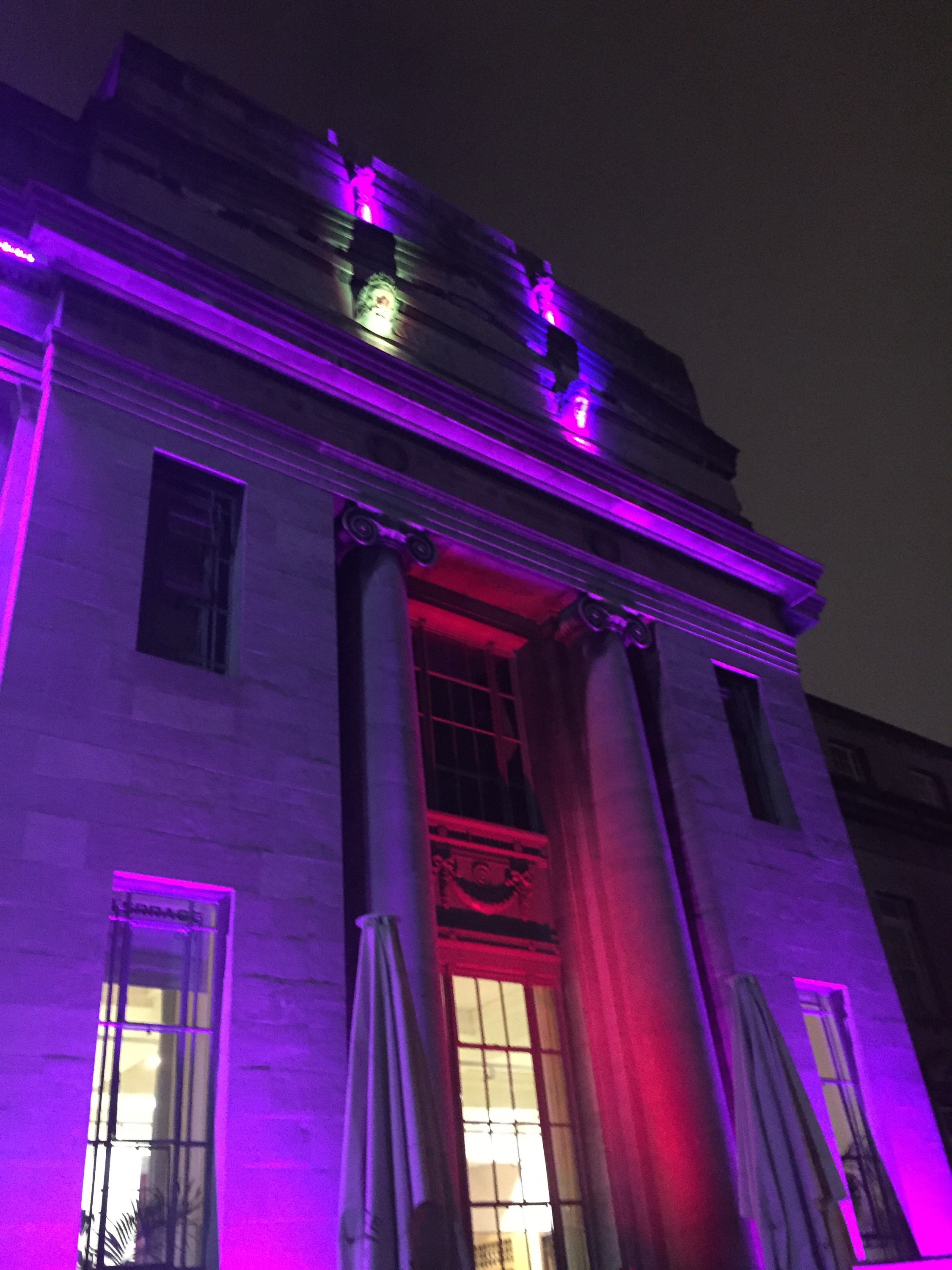
And the whole city is so colourful at night – as if it wanted to draw the usual, grey sky away.
Where you can hike safely on the cliffs just within 20 minutes reach from the city centre.A weekend deal is perfect to visit Dublin and surroundings, you’d need much more time to explore the whole country though. Having visited many Nordic and British cities, I have to say that Dublin – with its variety of great bars, restaurants within the walking distance and, most importantly, friendly people, is a definitely a must-go on the to-do list. And then again, it is always great to be back in Berlin!